
Finding the right supplier in China's vast industrial landscape can feel like searching for a needle in a haystack. When it comes to commercial mats, knowing the specific mat manufacturing hubs is crucial, as different regions offer distinct advantages in quality, cost, and specialization. Choosing the wrong area can lead to a mismatch in product quality, price, or capabilities. This guide will illuminate China's primary mat production zones, empowering you to source with confidence.
The main mat manufacturing hubs in China are Dongguan/Foshan for premium OEM/ODM mats, Wenzhou for small-batch domestic orders, Linyi for low-cost wholesale products, Jiangyin for large-scale engineering mats, and Qingdao for heavy-duty rubber mats. Each hub serves a different market segment, from global brands to local businesses.

Now that you have a high-level overview, let's explore what makes each of these regions unique. Understanding their specific strengths, materials, and target customers is the key to finding the perfect manufacturing partner for your needs.
Why Is Dongguan a Hub for Premium Mat Manufacturing?
Are you a brand owner or importer looking for high-quality, custom-branded mats that meet international standards? Generic, off-the-shelf products simply won't capture your brand's identity, and you need a partner who understands the nuances of export compliance. The Pearl River Delta, particularly Dongguan and Foshan, is the premier destination for this level of production.
These cities are the heart of China's premium OEM/ODM mat production. They are distinguished by their mature supply chains, advanced molding technology, and deep experience working with global brands on intricate, high-fidelity designs in materials like PVC and silicone.
Dive Deeper: The Pearl River Delta Advantage
For decades, the Pearl River Delta (PRD) has been the workshop of the world, and Dongguan sits at its core. This region isn't just a collection of factories; it's a highly integrated ecosystem. From raw material suppliers to mold makers, logistics providers, and testing laboratories, everything is within a short distance. This proximity accelerates development and ensures quality control at every stage.
From my experience here at SuperfectCraft in Dongguan, this ecosystem is our greatest asset. When a client needs a specific pantone-matched color or a unique surface texture, the resources are right at our doorstep. This is a sharp contrast to more isolated manufacturing areas.
H3: Specialization in High-Fidelity Craftsmanship
Dongguan's factories excel where detail and branding are paramount. This is the hub for products like:
- Embossed PVC Bar Mats: With sharp, multi-level logos for beverage brands.
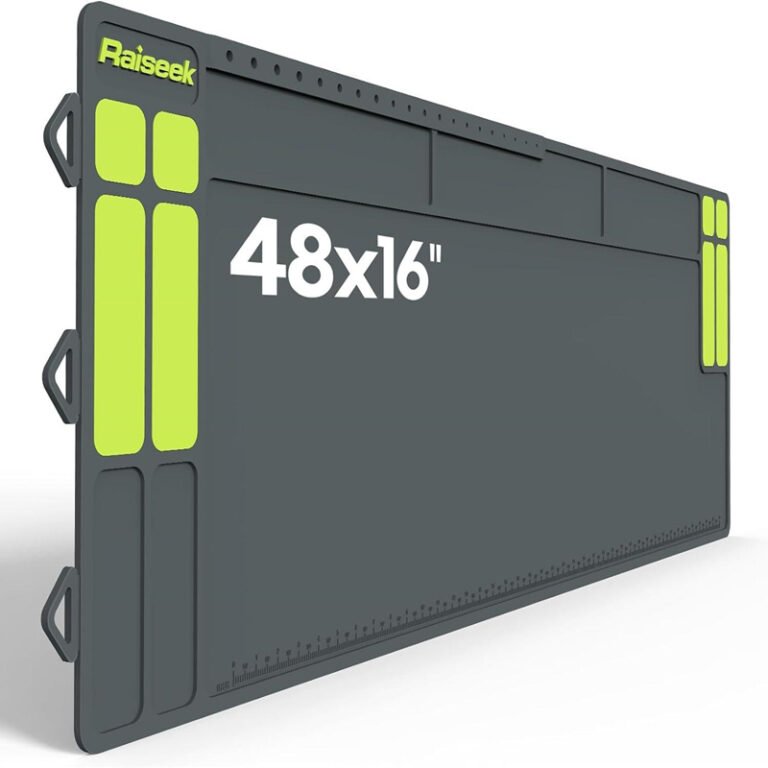
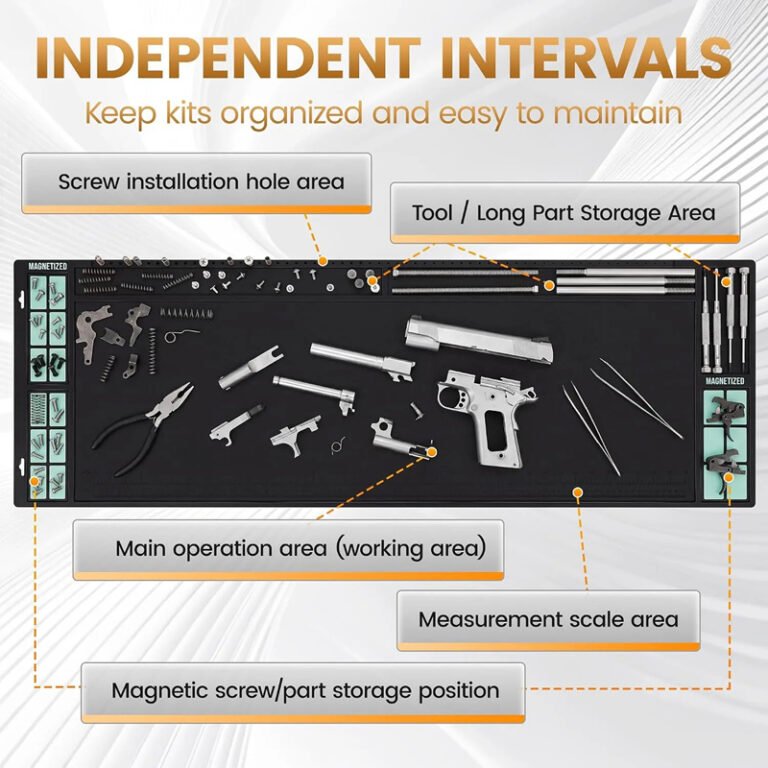
- Silicone Barber Mats: Featuring heat resistance and custom compartments for tools.
- Magnetic Tool Mats: Requiring special structure design and precise component integration.
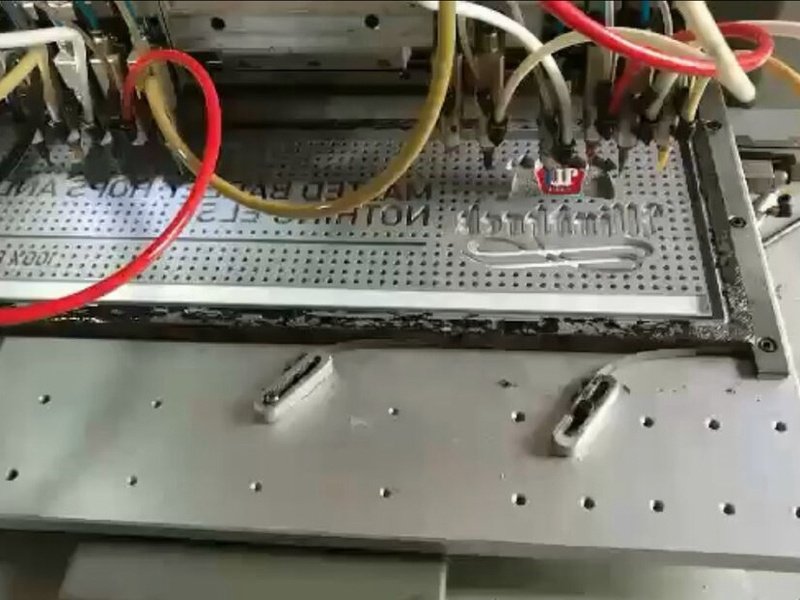
The technology here is focused on micro-injection and precision molding, which allows for intricate 3D designs that are impossible to achieve with simple printing. We can create complex textures, raised lettering, and vibrant, layered colors that are baked into the mat itself, ensuring they never fade or peel. As a manufacturer, our ability to provide a free design sketch within 24 hours is only possible because of the design talent and technical expertise concentrated in this region.
H3: A Hub for Global Brands and Export Compliance
Global brands from the US and EU have sourced from Dongguan for years. This has forced local factories to become experts in international standards. We are regularly asked to facilitate third-party testing for:
- REACH / SVHC for the European market.
- California Proposition 65 for the US market.
- LFGB / FDA for food-contact grade silicone.
- Phthalate and heavy metal content.
This focus on compliance makes Dongguan one of the safest and most reliable mat manufacturing hubs for importers and private-label companies who cannot afford the risk of a product being rejected by customs or recalled for safety issues.
What Makes Wenzhou Ideal for Domestic and Trial Orders?
Perhaps you're launching a new product line for the local market or just want to test a concept with a small batch. You've found that the high Minimum Order Quantities (MOQs) from export-focused factories are a significant barrier. In this case, the city of Wenzhou, specifically the Ruian area, offers the flexibility and speed you need.
Wenzhou is known throughout China for its entrepreneurial spirit and focus on the domestic market. This hub specializes in smaller production runs, rapid turnarounds for simpler designs, and catering to the needs of local businesses like bars, coffee shops, and promotional companies.

Dive Deeper: The "Wenzhou Model" of Business
The "Wenzhou Model" is a term used in China to describe a business culture focused on agility, private enterprise, and serving niche markets. Factories here are often smaller and more flexible than their counterparts in the Pearl River Delta. They are structured to handle smaller, less complex orders efficiently.
This makes Wenzhou an excellent starting point for businesses that are not yet ready to commit to a 20,000-piece order. They are accustomed to working with domestic clients who may order just a few hundred pieces to supply a chain of local cafes or for a regional promotional event. The emphasis is on getting a functional product to market quickly and affordably.
H3: Focus on Domestic Market Needs
The product profile in Wenzhou reflects its customer base. The designs are typically simpler, often involving single-color molding or basic printing rather than the complex, multi-layered 3D logos seen from Dongguan. The primary goal is function and brand presence at a competitive price for the local Chinese market.
You'll find many suppliers here for:
- Standard-sized bar counter mats.
- Small coffee tamper mats.
- Promotional door mats.
Because the focus is domestic, there is less inherent emphasis on international compliance standards like REACH or Prop 65. While a supplier might be able to arrange testing, it's not the default mode of operation. Buyers targeting Western markets should be aware of this and be prepared to manage the compliance process more proactively.
H3: When to Choose Wenzhou vs. Dongguan
The choice between these two mat manufacturing hubs comes down to your priorities.
| Feature | Wenzhou (Ruian) | Dongguan |
|---|---|---|
| Primary Market | Domestic China | Global Export (EU/US) |
| MOQ | Lower (hundreds) | Higher (200+ based on mold) |
| Design Complexity | Simple, 1-2 color, printing | High, multi-level 3D, embossed |
| Specialization | Fast, affordable trial runs | Premium OEM/ODM, Brand Identity |
| Compliance | Less focus, requires buyer push | Built-in process for REACH, etc. |
If you need to move fast with a simple design for a local market, Wenzhou is a strong contender. If your brand's reputation and international market access depend on quality, detail, and proven compliance, Dongguan is the superior choice.
Is Linyi the Go-To Hub for Low-Cost, High-Volume Mats?
Does your business model depend on sourcing products at the lowest possible unit cost, where volume is the top priority? If premium features, complex customization, and brand storytelling are secondary to price, then the wholesale markets of Linyi in Shandong province are your destination.
Linyi is China's undisputed capital for low-cost, mass-produced commodity goods. This hub is built around huge wholesale markets that supply everything from hardware to household items, including a massive volume of generic, ready-to-ship mats.
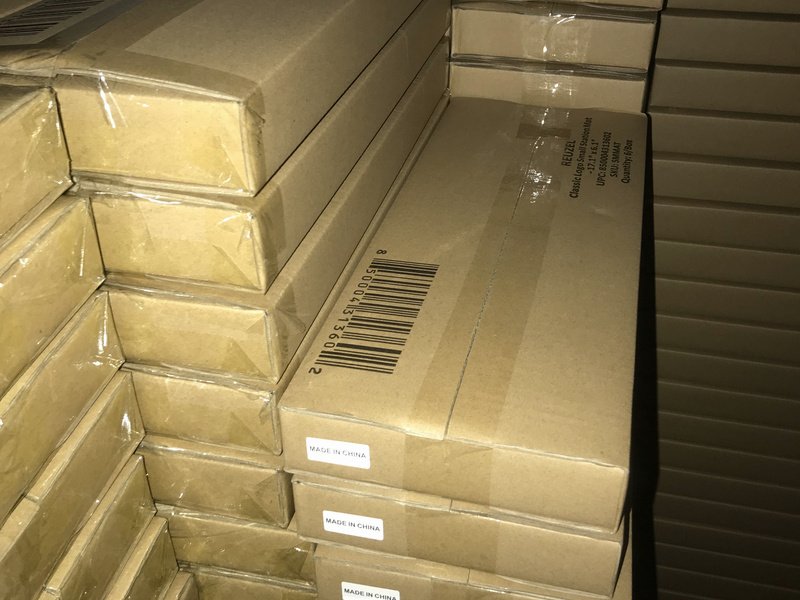
Dive Deeper: The Linyi Wholesale Market Ecosystem
Linyi's strength is not in OEM manufacturing but in wholesale distribution. The city is home to the Linyi Wholesale City, one of the largest market complexes in China. Factories in the surrounding area mass-produce generic goods to stock the stalls within this market. Buyers, typically domestic distributors or traders from developing countries, come here to purchase goods in bulk, often by the container load.
The business transaction is simple and fast. You see a product, you negotiate a price based on volume, and you arrange for shipment. There is very little discussion about material specifications, custom Pantone colors, or third-party lab testing. The entire system is optimized for speed and cost efficiency above all else.
H3: Product Profile: Simplicity and Volume
The mats you find in Linyi are fundamentally different from the custom-molded products from Dongguan. The focus is on different materials and production methods that lend themselves to extreme low-cost production.
Typical products include:
- Printed Non-Woven or Flannel Mats: These have a fabric surface with a digitally printed image and a simple rubber or PVC backing. They are lightweight and inexpensive.
- Coil PVC Mats: Often called "spaghetti mats," used for entranceways to scrape dirt.
- Basic Ribbed Rubber Runners: Sold in large rolls and cut to size.
These products serve a specific purpose for a specific customer: providing a functional floor covering at the lowest price point possible. They are popular for temporary promotions, discount stores, and high-volume users like street food stalls or outdoor markets.
H3: Critical Considerations for Buyers
If you are a brand owner, Linyi is likely not the right fit. The lack of customization and quality control can damage a brand's reputation. The primary risks of sourcing from this hub include:
- Inconsistent Quality: Products can vary significantly from batch to batch.
- No Customization: What you see is what you get. Logo application is usually limited to simple, low-resolution printing.
- Compliance Risks: Materials are chosen for cost, not for compliance with international safety standards. There is a high risk of containing restricted substances.
Linyi is an important part of China's industrial landscape, but it serves a market segment that is worlds away from the premium, brand-focused world of OEM production.
Where Do You Source Large-Scale Engineering and Safety Mats?
Imagine you need to outfit the entire kitchen of a new hotel, a busy automotive workshop, or a factory production line. Standard-sized bar mats are inadequate; you need a robust, large-format solution focused on safety, drainage, and durability. For these projects, you need to look to the specialized engineering mat manufacturing hubs in Jiangyin and parts of Foshan.
These industrial zones are home to factories that produce large-scale, functional matting systems. Their focus is less on branding and aesthetics and more on performance in demanding commercial and industrial environments.

Dive Deeper: Defining Engineering Mats
Unlike promotional or branding mats, engineering mats are a piece of safety equipment. Their design is driven by technical requirements rather than visual appeal. They are often sold by the square meter or in interlocking tiles to cover large, irregular areas.
Key features include:
- Anti-Slip Surfaces: Aggressive textures to provide grip even when wet or oily.
- Drainage Systems: Large holes and raised structures to allow liquids and debris to fall through, keeping the standing surface safe and dry.
- Anti-Fatigue Properties: Made from resilient rubber or vinyl to reduce stress on workers who stand for long periods.
- Chemical and Oil Resistance: Formulated to withstand harsh industrial chemicals.
These products are the workhorses of the mat world, designed for performance and longevity in tough conditions.
H3: Material and Functional Focus
Factories in Jiangyin and Foshan's industrial zones work with different materials and processes than a custom PVC mat maker. They often use compression molding with heavy-duty rubber (SBR, NBR) or tough vinyl compounds. The molds are large and the machinery is built for power, pressing tons of material into durable, functional shapes.
The emphasis is on the physical properties of the final product. Buyers for these mats are procurement managers for hotels, restaurants, and industrial facilities. Their purchasing decisions are based on data sheets specifying slip resistance ratings, durometer (hardness), and chemical compatibility.
H3: Applications in Hospitality and Industry
You will find products from these specialized hubs in a variety of demanding settings:
- Commercial Kitchens: Heavy-duty, grease-resistant drainage mats around cooking stations and dish pits.
- Industrial Workstations: Anti-fatigue mats for assembly lines.
- Building Entrances: Large, recessed grate-style mats for scraping dirt and water.
- Pools and Locker Rooms: Anti-bacterial, non-slip mats designed for wet areas.
While some factories in Foshan also produce high-end OEM products like those in Dongguan, there is a distinct cluster dedicated to this heavy-duty engineering segment.
Why Is Qingdao a Leader in Heavy-Duty Rubber Mat Manufacturing?
When your application demands the utmost in durability, weight, and weather resistance for outdoor or heavy industrial use, PVC and even standard vinyl may not be sufficient. You need the resilience of pure rubber. For this, the city of Qingdao stands out as a key mat manufacturing hub due to its deep roots in the rubber industry.
Leveraging its history as one of China's primary ports and a center for rubber processing, Qingdao excels in producing compression-molded, heavy-duty rubber mats for the most demanding environments, from agricultural settings to outdoor public spaces.
Dive Deeper: Qingdao's Rubber Legacy
Qingdao's prominence in rubber isn't new. The city has been a center for tire manufacturing and rubber processing for over a century. This legacy has created a powerful industrial cluster with unparalleled expertise in rubber compounding, molding, and vulcanization. The factories here have access to a rich supply of raw materials and a workforce skilled in handling heavy rubber production.
This historical context is important because manufacturing with rubber is very different from working with PVC or silicone. It requires heavy-duty machinery like large-scale mixers (Banbury mixers) and massive hydraulic compression presses. Qingdao's industrial infrastructure is built for this.
H3: The Benefits of Compression-Molded Rubber
The primary process used in Qingdao is compression molding. A pre-weighed "charge" of rubber compound is placed into a heated mold cavity. A hydraulic press then closes the mold with immense force, causing the rubber to flow and fill the shape of the mold while simultaneously curing (vulcanizing) it.
This process creates products that are:
- Extremely Dense and Heavy: They stay in place without adhesives.
- Incredibly Durable: Highly resistant to tearing, abrasion, and impact.
- Weather Resistant: Excellent for outdoor use, with superior performance in extreme temperatures compared to PVC.
- Vibration Dampening: The natural elasticity of rubber makes these mats ideal for placing under machinery.
H3: Typical Products and Use Cases
The mats from Qingdao are all about function and brute strength. While simple logos can sometimes be molded in, they are not known for fine detail or color. Typical products include:
- Outdoor Entrance Mats: Heavy scrapers with holes for drainage.
- Gym Flooring: Thick, shock-absorbent rubber tiles and rolls.
- Livestock Mats: Durable and comfortable flooring for stables and agricultural use.
- Truck Bed Liners: Protective mats that can withstand heavy impacts.
For any application where weight, toughness, and outdoor durability are the primary concerns, the rubber specialists in the Qingdao mat manufacturing hub are the clear choice.
Frequently Asked Questions
What is the best hub for custom logo bar mats?
For high-quality, detailed custom logo bar mats, Dongguan is the best manufacturing hub. Factories there specialize in PVC and silicone micro-injection, allowing for complex 3D logos, vibrant colors, and export-quality finishes that meet the standards of global beverage and hospitality brands.
Can I order a small quantity of mats from China?
Yes. If you need a small batch, especially for simpler designs or the domestic Chinese market, Wenzhou (Ruian) is an excellent hub. Factories there are structured for smaller, more flexible production runs and can be a good starting point for trial orders.
How do I ensure the mat material is safe for my market?
Work with a supplier in an export-oriented hub like Dongguan. Reputable manufacturers like us are experienced with international compliance and can arrange third-party testing for standards like REACH (EU), California Prop 65 (US), and LFGB/FDA (food grade) to ensure your product is safe and legal for your target market.
What is the difference between PVC and rubber mats?
PVC mats are ideal for detailed, colorful, and complex 3D logos, making them perfect for branding (e.g., bar mats). Rubber mats, typically made in Qingdao, are heavier, denser, and more durable, making them better suited for high-traffic industrial or outdoor applications where toughness is more important than aesthetics.
Conclusion
Navigating China's manufacturing landscape becomes much clearer when you understand its regional specializations. The country's primary mat manufacturing hubs each offer a distinct value proposition. Dongguan is the undisputed leader for premium, brand-focused OEM projects for international markets. Wenzhou provides agility for small domestic orders, while Linyi serves the high-volume, low-cost wholesale sector. For functional, large-scale projects, the engineering factories in Jiangyin and the heavy-duty rubber specialists in Qingdao provide robust solutions. By aligning your product needs with the right regional strengths, you can streamline your sourcing process and build a more successful partnership.
If your project requires high-quality, custom-branded mats with a focus on brand identity and export compliance, Dongguan is your destination. Contact us at SuperfectCraft today to get a free design sketch and quote for your project.