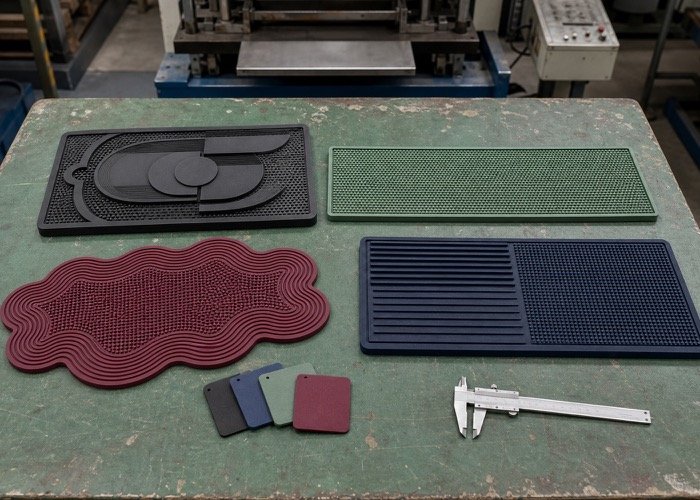

Ordinare un campione di tappetini da bar per il tuo marchio può sembrare un primo passo scoraggiante, soprattutto quando si naviga nella produzione internazionale. Senza le giuste informazioni preparate, rischi ritardi, problemi di comunicazione con il fornitore, e ricevere un prototipo che non corrisponde del tutto alla tua visione. Questa guida delinea esattamente ciò che devi avere a portata di mano per garantire un funzionamento fluido, veloce, e un processo di campionamento accurato.
Per realizzare un campione di tappetino da bar, hai bisogno principalmente di due cose: il tuo logo o disegno in un formato di file vettoriale (come AI o EPS) e un chiaro elenco di specifiche. Ciò include le dimensioni desiderate (lunghezza, larghezza, spessore), il materiale che desideri (per esempio., PVC, silicone), e i codici colore specifici (come Pantone) per ogni parte del tuo progetto.
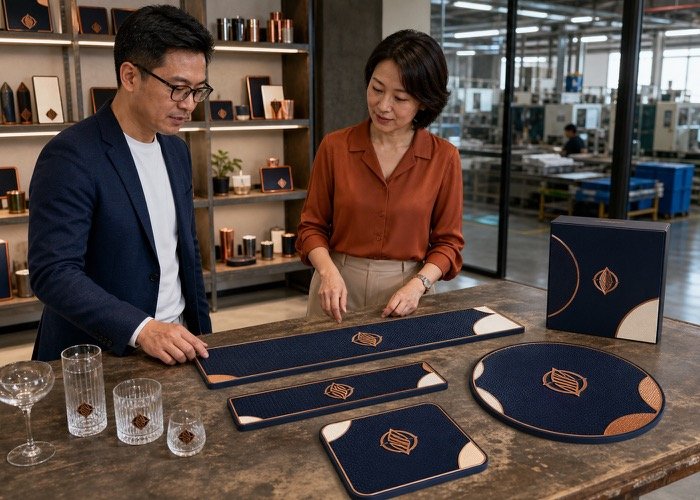
Avere pronti questi elementi chiave è il primo passo importante. But what exactly makes an artwork file "production-ready," e quali altri dettagli dovresti considerare per ottenere il risultato perfetto? Analizziamo ogni requisito per garantire che il tuo progetto inizi con il piede giusto.
Quali file di grafica sono i migliori per un campione di tappetino da bar personalizzato?
Sei pronto per vedere il tuo logo su un tappetino, ma l'invio del tipo di file sbagliato può interrompere l'intero processo. È frustrante quando invii un progetto solo per sentirti dire che è inutilizzabile, causando inutili ritardi. The key to avoiding this is providing a "vector" file, che garantisce una croccantezza, risultato accurato per la produzione.
Per produrre un campione di tappetino da bar, i migliori file di grafica sono formati vettoriali come Adobe Illustrator (.ai), .eps, o a PDF scalabile. Questi file ci consentono di ridimensionare il tuo logo a qualsiasi dimensione senza perdere qualità. Mentre un file ad alta risoluzione, file Photoshop a più livelli (.PSD) a volte può funzionare, il vettore è sempre il formato preferito per lo stampaggio e la produzione.
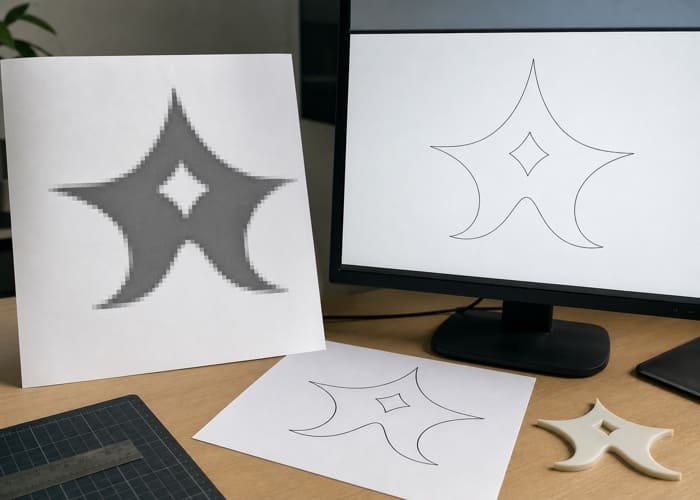
Perché i file vettoriali sono i re
Quando creiamo uno stampo per il tuo tappetino da bar, il macchinario deve tracciare in modo preciso, linee pulite per ritagliare il design. La grafica vettoriale è composta da percorsi matematici, non pixel. Ciò significa che possono essere ridimensionati all'infinito, dalla dimensione di una capocchia di spillo a quella di un cartellone pubblicitario, senza alcuna perdita di nitidezza o chiarezza..
Al contrario, file raster come JPG, PNG, e le GIF sono costituite da una griglia fissa di pixel. Quando provi ad ingrandire un'immagine raster, il software deve indovinare con cosa riempire il nuovo spazio, risultando in uno sfocato, "pixelated" disordine. Questo non è adatto per creare uno stampo fisico.
Ecco i principali vantaggi derivanti dall'utilizzo di file vettoriali:
- Scalabilità perfetta: Il tuo logo apparirà nitido sia su un piccolo sottobicchiere che su un lungo runner da bar.
- Bordi puliti: Le linee sono perfettamente lisce, che è fondamentale per creare uno stampo di alta qualità da riempire con PVC o silicone liquido.
- Facile separazione dei colori: In un file vettoriale, ogni colore è un oggetto separato. Questo ci semplifica l'isolamento delle diverse parti del tuo logo da riempire con materiali di colore diverso.
Cosa succede se non hai un file vettoriale??
Questa è una situazione comune, e non è un rompicapo. Forse il tuo logo è stato progettato anni fa, e i file originali sono andati persi. Se tutto quello che hai è un file JPG o PNG, Non preoccuparti.
A SuperfectCraft, offriamo un servizio gratuito di bozzetti di progettazione 24 ore su 24. Inviaci semplicemente la versione ad alta risoluzione del tuo logo che hai. Il nostro team di progettazione può spesso tracciare e ricreare il tuo logo in un formato vettoriale adeguato. Ti invieremo quindi una prova digitale per l'approvazione prima di procedere con la creazione dello stampo per il campione del tuo tappetino da bar.
Per un processo più fluido, ecco un rapido confronto tra i tipi di file:
| Tipo di file | Estensione | Il meglio per la produzione? | Perché? |
|---|---|---|---|
| Vettore | .ai, .eps, .svg, .pdf | SÌ (Preferito) | Infinitamente scalabile con linee pulite perfette per gli stampi. |
| Raster | .PSD, .tiff | Forse (Se l'alta risoluzione) | Può funzionare se la risoluzione è molto alta (300+ DPI) e il file è a strati. |
| Raster | .jpg, .png, .gif | NO (Per il file di origine) | Non scalabile; si tradurrà in un prodotto finale sfocato o pixelato. |
Come definire le specifiche per il campione di tappetino da bar personalizzato?
Hai una visione perfetta per il tuo tappetino da bar personalizzato, ma come comunicarlo a un produttore in modo che possa costruirlo esattamente? Vague instructions like "a standard-sized red mat" può portare a un campione di dimensioni errate, tonalità di rosso, o consistenza. Definiamo le specifiche chiave di cui il tuo fornitore ha bisogno per farlo bene la prima volta.
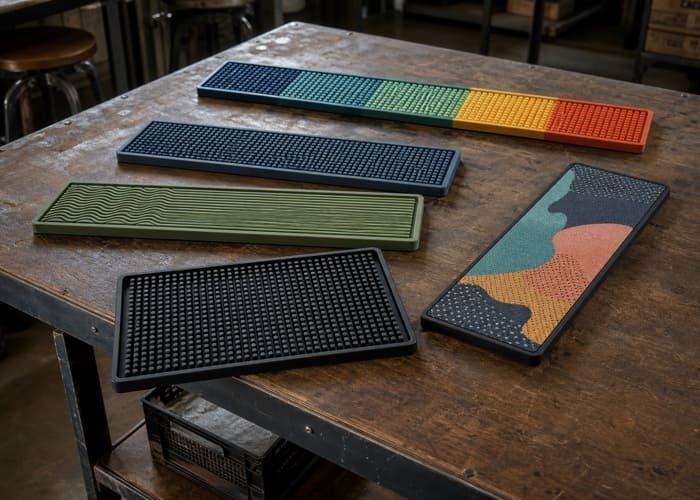
Per produrre con precisione il tuo campione di tappetini da bar, devi definire chiaramente il tappetino dimensioni (lunghezza x larghezza x spessore), IL materiale (Il PVC è il più comune, ma silicone e gomma sono opzioni[^1]), e l'esatto Pantone (sindrome premestruale) codici colore per il tuo logo e la base opaca. Inoltre, dovresti specificare eventuali caratteristiche strutturali speciali richieste.
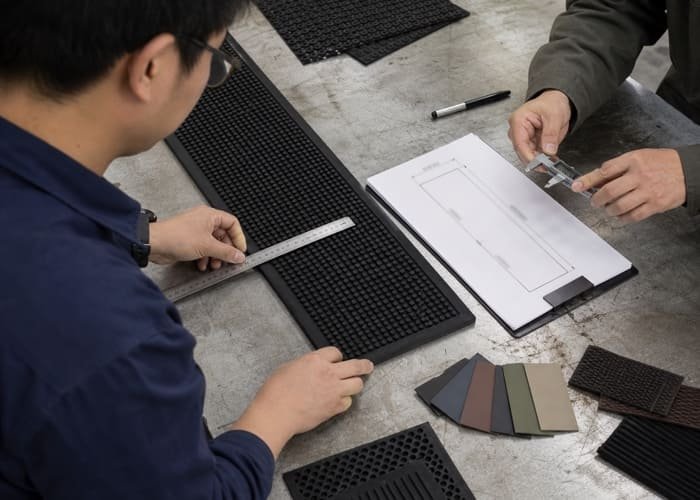
Ottenere le dimensioni giuste
La dimensione del tappetino da bar è determinata dall'uso previsto. E' lungo?, thin "bar rail" tappetino per rivestire il bordo della barra, or a larger "service mat" per la postazione del barista?
- Dimensioni standard: Le dimensioni comuni dei tappetini per barra sono circa 60 cm x 8 cm (~23,5" x 3.5"). I tappetini di servizio sono spesso più grandi, circa 45x30 cm (~18" x 12"). Se scegli una taglia dalla nostra ampia libreria di stampi esistenti, puoi risparmiare sui costi degli stampi e accelerare i tempi di sviluppo.
- Dimensioni personalizzate: Possiamo creare un tappetino di qualsiasi dimensione tu abbia bisogno. Basta fornire la lunghezza esatta, larghezza, e spessore.
- Spessore: Lo spessore del tappetino influisce sulla sua durata, peso, e qualità percepita. Uno spessore standard è di circa 1 cm (0.4 pollici). I tappetini più spessi sembrano più sostanziali e durevoli, mentre i tappetini più sottili possono essere più flessibili.
Scegliere il materiale giusto
Il materiale determina l'aspetto del tappetino, Tatto, durabilità, e costo. Anche se possono sembrare simili, ognuno ha proprietà uniche.
- PVC (Cloruro di polivinile): Questo è lo standard del settore per i tappetini da bar personalizzati. È conveniente, estremamente durevole, e perfetto per creare vibranti, loghi 3D multicolori. È impermeabile e facile da pulire, rendendolo ideale per l'ambiente bar.
- Silicone: Il silicone offre un aspetto più morbido, sensazione più flessibile rispetto al PVC[^2]. Ha una resistenza al calore più elevata e può essere prodotto per soddisfare gli standard di qualità alimentare (Piace FDA o LFGB[^3]), rendendolo un'ottima scelta per marchi o applicazioni premium in cui potrebbe contattare articoli di servizi di ristorazione.
- Gomma (Gomma nitrilica): Per applicazioni industriali o di officina pesanti, la gomma è un'ottima scelta. È incredibilmente durevole, offre proprietà antiscivolo superiori, e ha un'ottima resistenza agli oli e ai prodotti chimici.
Quando si parla di materiali, considerare anche la conformità. Se i tuoi tappetini sono per un mercato specifico (Unione Europea, NOI) o un marchio importante, potresti aver bisogno di test per standard come PORTATA, Puntello 65, o FDA[^4]. Possiamo organizzare tutti i test necessari di terze parti in base ai requisiti del tuo progetto.
L'importanza di Pantone (sindrome premestruale) Colori
Saying you want a "blue" il logo non è sufficiente. È blu navy, cielo blu, o blu reale? Per garantire la perfetta coerenza del marchio, devi fornire Sistema di corrispondenza Pantone (sindrome premestruale) codici colore.
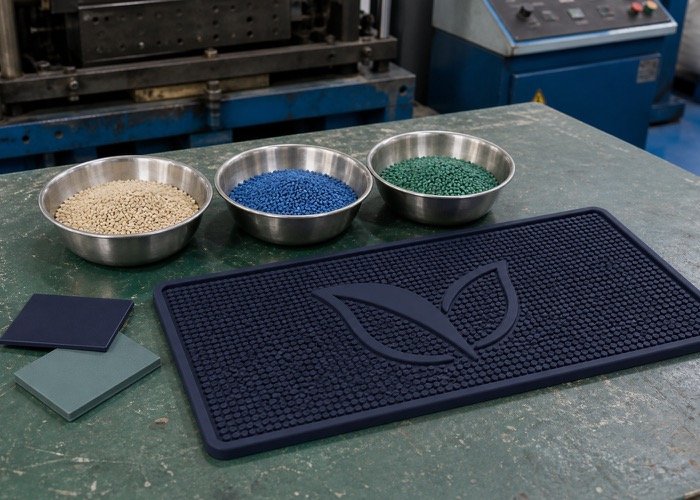
Il sistema PMS è uno standard di colore universale che ci consente di miscelare il PVC o il silicone nella tonalità esatta delle linee guida del tuo marchio. Durante il processo di produzione del campione, il primo passo è corrispondenza dei colori, dove creiamo un piccolo lotto di materiale e lo confrontiamo con il campione di colori Pantone fisico per garantire una corrispondenza perfetta prima di produrre il campione del tappetino da bar.
Qual è il processo per creare un campione di tappetino bar personalizzato??
Hai inviato i file vettoriali e le specifiche dettagliate, ma cosa succede dopo? Aspettare al buio può essere stressante, non sapere se la tua visione viene tradotta correttamente dalla fabbrica. Comprendere il processo passo dopo passo del produttore demistifica il viaggio dal file digitale al prodotto fisico.
Dopo aver inviato i tuoi requisiti, creiamo un 2Schizzo di progettazione D per la vostra approvazione, solitamente all'interno 24 ore. Una volta approvata questa prova digitale, procediamo alla realizzazione dello stampo e quindi produciamo il campione fisico del tappetino da bar. Ciò comporta la corrispondenza dei colori, dispensare il materiale colorato, formatura in forno, e un controllo di qualità finale prima che ti venga spedito.
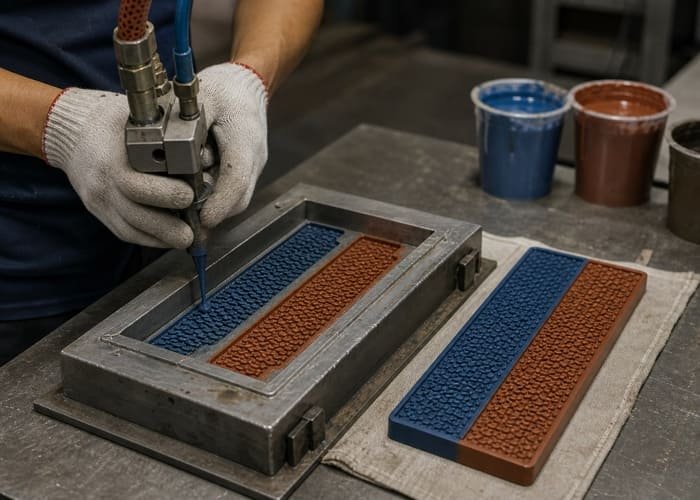
Il viaggio campione passo dopo passo
Creare un campione di alta qualità è un processo meticoloso. Ricordo di aver lavorato su un campione complesso per un importante marchio di bevande con un logo molto dettagliato. Seguire con precisione questi passaggi era l’unico modo per essere sicuri di aver fatto la cosa giusta. Ecco come funziona:
- Presentazione dei requisiti & Citazione: Ci invii la grafica vettoriale e le specifiche. Li esaminiamo e forniamo un preventivo dettagliato, compresa la tariffa una tantum per lo stampo e il costo del campione.
- Schizzo di progettazione gratuito: Il nostro team crea una prova digitale (un rendering 2D) del tuo tappetino. Questo ti mostra il layout, colori, e dimensioni. Puoi richiedere revisioni finché non sarà perfetto.
- Approvazione del cliente: Dai l'approvazione finale allo schizzo del progetto. Questo è il via libera per avviare la produzione fisica.
- Creazione di stampi: Sulla base del progetto approvato, i nostri ingegneri lavorano uno stampo in metallo. Questa è la parte più dispendiosa in termini di tempo del processo di installazione. La precisione di questo stampo determina la qualità di ogni tappetino che ne verrà realizzato.
- Corrispondenza dei colori & Preparazione del materiale: Mescoliamo il materiale grezzo in PVC o silicone e il pigmento, abbinando attentamente ciascun colore ai codici Pantone forniti.
- Erogazione del colore: È qui che avviene l'abilità artistica. Un tecnico utilizza aghi erogatori per iniettare con attenzione ciascun colore di PVC liquido nelle cavità corrispondenti dello stampo, costruendo il tuo logo un colore alla volta.
- Stampaggio & Curare: Una volta riempito il logo, il materiale di base principale viene iniettato. L'intero stampo viene quindi sottoposto a a aspirare per rimuovere le bolle d'aria[^5] e cotto in forno per curare e solidificare il materiale.
- Sformatura, Rifilatura & Ispezione: Il tappetino finito viene accuratamente rimosso dallo stampo. Qualsiasi materiale in eccesso (known as "flashing") viene tagliato dai bordi. Finalmente, il campione viene sottoposto a un rigoroso controllo di qualità per verificare l'accuratezza del colore, dimensioni, ed eventuali imperfezioni prima di essere imballate.
- Spedizione del campione & Approvazione: Ti spediamo il campione fisico. La produzione di massa lo farà soltanto iniziare una volta che avrai avuto il campione tra le mani e avrai dato la tua approvazione finale.
Questo processo approfondito, con approvazioni nelle fasi critiche, garantisce che l'ordine finale prodotto in serie dei tuoi tappetini da bar personalizzati sarà esattamente quello che avevi immaginato. Il tempo di consegna tipico per l'intero processo di campionamento è di circa 7 giorni.
Domande frequenti
Quanto costa un campione di tappetino da bar personalizzato?
Il costo dipende principalmente dalla tariffa una tantum per lo stampo, che è determinato dalle dimensioni e dalla complessità del progetto. Per disegni semplici o se utilizzi uno dei nostri stampi esistenti, il costo è inferiore. Questa tariffa viene spesso riaccreditata su un ordine di produzione di massa di grandi volumi. Contattaci con il tuo design per un preventivo specifico.
Qual è la quantità minima dell'ordine (MOQ) dopo aver approvato il campione?
Il nostro MOQ standard è 200 pezzi per disegno e colore. Questa quantità consente cicli di installazione e produzione efficienti. Sfruttare uno dei nostri numerosi stampi esistenti a volte può offrire maggiore flessibilità. Il nostro obiettivo è supportare le imprese di tutte le dimensioni, dalle startup a marchio privato ai grandi marchi globali.
Posso ottenere un campione senza logo vettoriale?
SÌ, in molti casi. Mentre un file vettoriale è l'ideale, il nostro team può spesso aiutare. Se fornisci un file JPG ad alta risoluzione, PNG, o un file PSD, possiamo utilizzare il nostro servizio di progettazione gratuito 24 ore su 24 per convertirlo in un formato vettoriale pronto per la produzione. Ti invieremo sempre una prova per l'approvazione prima di realizzare uno stampo.
Quanto tempo ci vuole per ottenere un campione?
Il tempo di consegna tipico per un campione di tappetino da bar personalizzato è di circa 7 giorni dopo l'approvazione dello schizzo del progetto finale. Questo lasso di tempo comprende la realizzazione dello stampo in metallo, preparazione del materiale, produzione del campione, e i nostri controlli di qualità interni prima che ti vengano spediti.
Conclusione
Ordinare un campione di tappetino da bar personalizzato è un processo semplice e prevedibile quando si arriva preparati. L’intero viaggio si impernia su due elementi chiave: fornendo un file di grafica vettoriale pulito e un elenco chiaro di specifiche relative alle dimensioni, materiale, e colori Pantone. Questa preparazione iniziale consente al produttore di lavorare in modo efficiente, eliminando le congetture e assicurando che il prototipo rifletta accuratamente l'identità del tuo marchio fin dal primo tentativo. Comprendendo le fasi di produzione, dalla prova di progettazione iniziale al prodotto finale polimerizzato in forno, puoi andare avanti con fiducia, sapere che la tua visione è in buone mani.
Pronto a portare la presenza del tuo marchio al top del bar? Contattaci oggi con il tuo logo e le tue idee progettuali. Il nostro team è pronto a fornire uno schizzo di progettazione gratuito all'interno 24 ore e guidarti nella creazione del campione di tappetini bar perfetto per la tua attività.
[^1]: "PVC Bar Mats: Non in gomma, Non ancora silicone (Ecco perché)", https://allinonemerchandise.com/blog/pvc-bar-mats-are-not-rubber-or-silicone-clearing-up-the-confusion/?srsltid=AfmBOorbHIo_xwpv68hYuXrMvIzBhW-Ub-InX7W0-ATkGgQ5VXzDb5ZK. Da uno studio sui materiali dei tappetini da bar è emerso che il PVC è il più comunemente utilizzato grazie alla sua durata e al suo rapporto costo-efficacia, mentre silicone e gomma vengono utilizzati per applicazioni specifiche. [Fonte: Giornale delle applicazioni di scienza dei materiali] Ruolo di prova: statistica; tipo di fonte: ricerca. Supporta: Il PVC è il materiale più comunemente utilizzato per i tappetini da bar, con silicone e gomma come alternative.. [^2]: "PVC vs. Silicone: Che è meglio?", https://www.timcorubber.com/blog/archive/pvc-vs-silicone-which-is-better/. La struttura molecolare del silicone gli conferisce maggiore flessibilità e morbidezza rispetto al PVC, che è più rigido e durevole. [Fonte: Dipartimento di Scienza dei Materiali del MIT] Ruolo di prova: meccanismo; tipo di fonte: istruzione. Supporta: Il silicone è più morbido e flessibile del PVC, rendendolo adatto per applicazioni premium.. [^3]: "The Difference Between FDA & LFGB Certified Silicone ...", https://www.justsmartkitchenware.com/the-difference-between-fda-lfgb-certified-silicone-products/. La FDA e la LFGB hanno stabilito linee guida per il silicone alimentare, che devono rispondere a specifici standard di sicurezza e qualità. [Fonte: NOI. Amministrazione degli alimenti e dei farmaci] Ruolo di prova: esperto_consenso; tipo di fonte: governo. Supporta: Il silicone può essere prodotto per soddisfare gli standard alimentari FDA e LFGB.. [^4]: "FAQs on CA Prop 65", https://plasticpipe.org/PPI-Home/BuildingConstruction/Publications/FAQs-on-CA-Prop-65.aspx. Prodotti destinati agli Stati Uniti. e i mercati dell’UE spesso devono conformarsi a standard come REACH, Puntello 65, e le normative FDA per garantire la sicurezza e la conformità ambientale. [Fonte: Agenzia europea per le sostanze chimiche] Ruolo di prova: supporto_generale; tipo di fonte: governo. Supporta: I tappetini da bar per mercati specifici potrebbero dover essere conformi a standard come REACH, Puntello 65, o FDA.. [^5]: "Vacuum Molding", https://www.3ds.com/make/guide/process/vacuum-molding. I processi sottovuoto sono comunemente utilizzati nello stampaggio per eliminare le bolle d'aria, che possono compromettere l’integrità strutturale del prodotto finale. [Fonte: Dipartimento di scienza dei materiali dell'Università di Stanford] Ruolo di prova: meccanismo; tipo di fonte: istruzione. Supporta: Nel processo di stampaggio viene utilizzato il vuoto per rimuovere le bolle d'aria e garantire la consistenza del materiale..