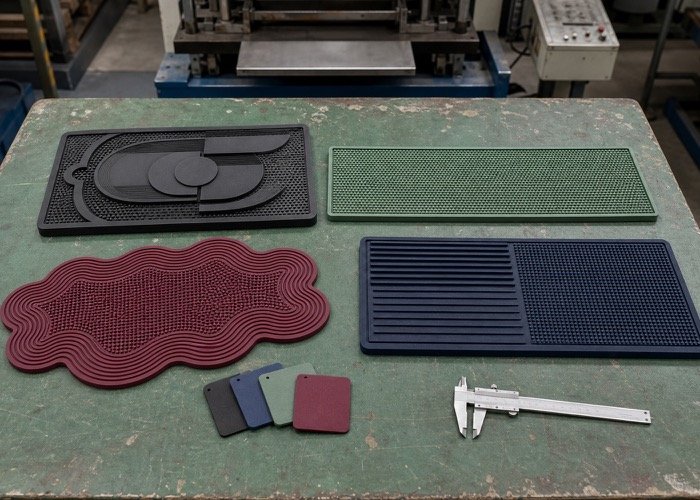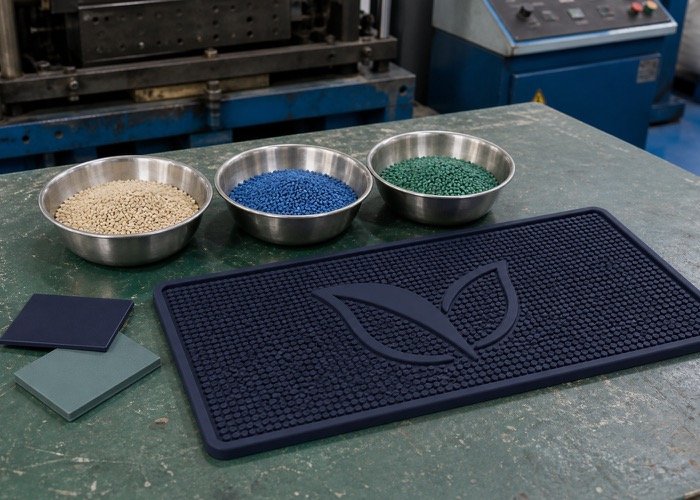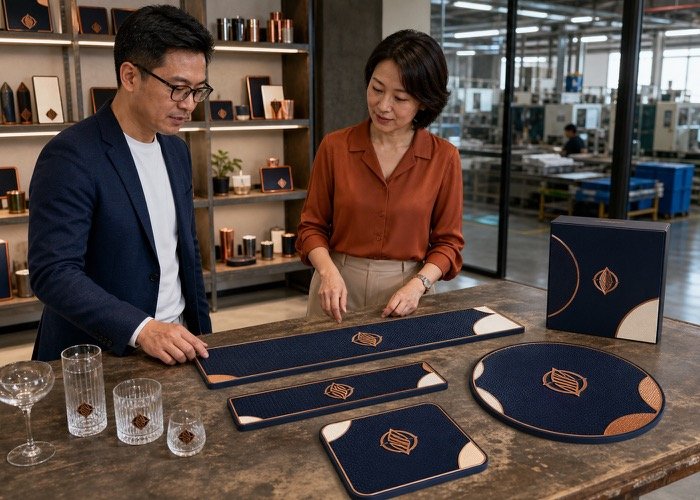

Molti brand manager hanno un'idea brillante per un tappetino da bar personalizzato, ma sono incerti su come si trasformerà in un prodotto finito. Il percorso di produzione può sembrare opaco, pieno di rischi potenziali come interpretazioni errate di progettazione, fallimenti di qualità, e costosi ritardi. Comprendere il completo processo di produzione del tappetino da bar demistifica ogni passaggio, dandoti il controllo per garantire che il prodotto finale corrisponda perfettamente alla visione del tuo marchio.
Il processo di produzione dei tappetini da bar si svolge generalmente in sei fasi chiave: 1) Progettazione iniziale e raccolta dei requisiti, 2) Preventivo e creazione di campioni per l'approvazione, 3) Preparativi pre-produzione in fabbrica, 4) Produzione di massa automatizzata, 5) Rigoroso controllo di qualità in più fasi, E 6) Imballaggio finale e spedizione. Questo flusso di lavoro strutturato porta un concetto da un file digitale a un prodotto fisico pronto per il mercato.
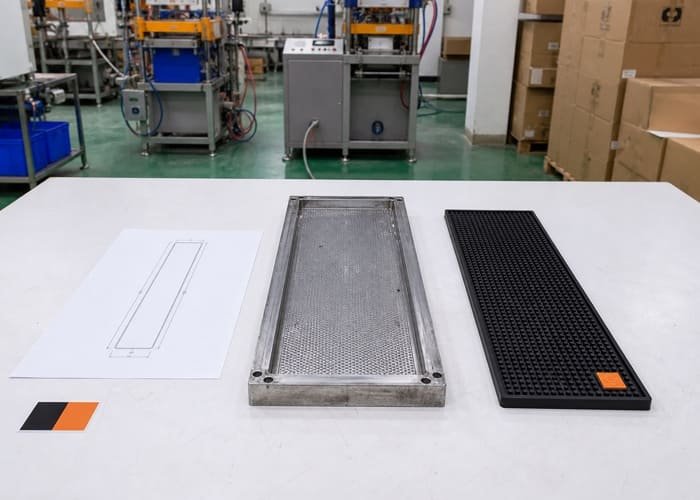
Ora che hai la tabella di marcia di alto livello, esploriamo cosa accade realmente in ogni fase. Acquisire una visione più approfondita di questo viaggio ti consentirà di collaborare in modo efficace con il tuo produttore e ottenere un risultato impeccabile.
Cosa succede durante la fase iniziale di progettazione e requisiti?
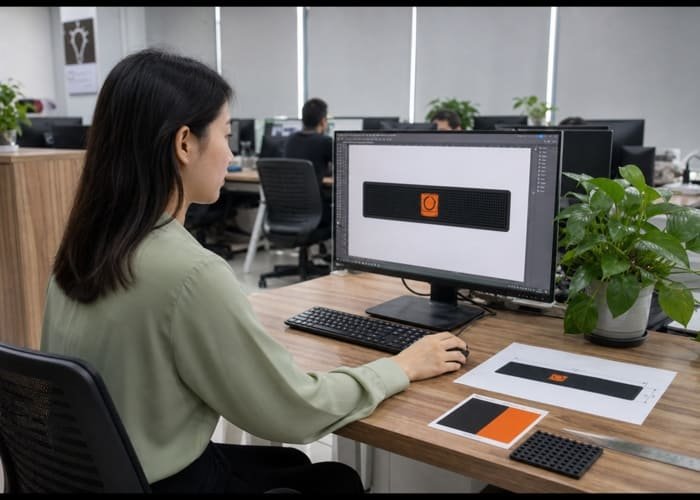
Un concetto fantastico per un tappetino da bar promozionale è solo l'inizio. Senza tradurre quell'idea in termini precisi, specifiche tecniche, la fabbrica non può realizzare la tua visione, portando a un prodotto finale che potrebbe mancare il bersaglio. Questa fase iniziale consiste nel trasformare il tuo concetto in un progetto realizzabile.
Questa fase ti coinvolge, il cliente, fornendo il tuo logo, dimensioni desiderate, ed eventuali requisiti funzionali. The manufacturer then uses this information to create a detailed design sketch or "artwork proof" per la tua revisione e approvazione formale.
Immergiti più a fondo
Questa fase fondamentale definisce la traiettoria dell’intero progetto. Ottenere i dettagli proprio qui previene costose modifiche successive.
H3: Fornire le specifiche principali
La qualità dell'input fornito influenza direttamente la qualità dell'output. I tre elementi più critici sono:
- Logo/opera d'arte: Per il risultato più chiaro e definito, fornisci sempre la tua grafica in formato vettoriale. File con estensioni come .AI (Adobe Illustrator), .EPS, o .PDF sono ideali. Questi file possono essere ridimensionati a qualsiasi dimensione senza perdere la risoluzione, assicurando che il tuo logo appaia nitido sul tappetino finale. Se hai solo un file .JPG o .PNG, un buon produttore può aiutare a ricrearlo, ma potrebbe aggiungere tempo al processo. A SuperfectCraft, offriamo un servizio di bozzetti di progettazione 24 ore su 24 per supportare i clienti che potrebbero non disporre di risorse di progettazione interne.
- Dimensioni: Specificare la lunghezza esatta, larghezza, e lo spessore di cui hai bisogno. I tappetini da bar standard sono spesso lunghi e stretti (per esempio., 88x25 cm), mentre i tappetini di servizio potrebbero essere più quadrati (per esempio., 45x30cm). Lo spessore influisce sul peso del tappetino, durabilità, e qualità percepita, tipicamente vanno da 8 mm a 15 mm.
- Colore: Per garantire un perfetto allineamento del marchio, fornire Sistema di corrispondenza Pantone (sindrome premestruale) codici per i tuoi colori[^1]. Simply describing a color as "blue" può portare ad ambiguità, poiché ci sono migliaia di sfumature. Un codice PMS è uno standard universale che indica alla fabbrica l'esatta tonalità di blu da formulare.
H3: Scelta dei materiali e caratteristiche speciali
Oltre l'estetica, questa è la tua occasione per definire la funzionalità del tappetino.
- Materiale: Il materiale più comune per i tappetini con logo in rilievo è PVC (Cloruro di polivinile) perché è durevole, impermeabile, ed eccellente per la creazione dettagliata, disegni colorati. Altre opzioni includono silicone (più flessibile e resistente al calore) E gomma (più pesante ed estremamente antiscivolo).
- Strutture speciali: Pensa a come verrà utilizzato il tappetino. Hai bisogno di pilastri rialzati per il drenaggio per mantenere asciutta la vetreria? Una texture antiscivolo migliorata sul fondo? Presso la mia azienda, abbiamo anche progettato dei tappetini posizionamento magnetico aree per tenere saldamente in posizione le tosatrici o gli strumenti da barbiere. Definire queste esigenze funzionali in anticipo è fondamentale.
Il culmine di questa fase è l'approvazione della prova di progettazione finale, che diventa il documento master per la fase successiva.
Come funziona la fase di preventivo e campionamento della produzione di tappetini da bar?
Hai approvato il design digitale, ma le domande rimangono: Qual è il budget?, e il prodotto fisico sembrerà giusto? Impegnarsi a realizzare un ordine di mille unità senza mai toccare un prototipo fisico è uno dei rischi maggiori nella produzione OEM. La fase di campionamento è il punto di controllo più importante dell'intero produzione di tappetini da bar viaggio, fungere da ponte tra concetto e realtà.
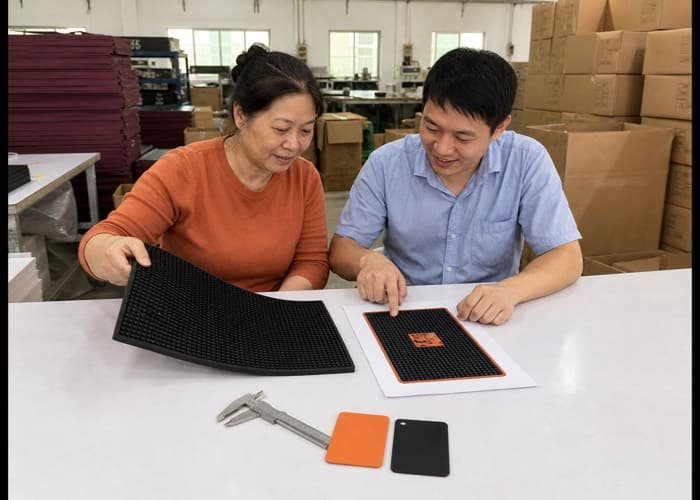
Sulla base del progetto approvato, il produttore fornisce un preventivo dettagliato. Una volta accettato il prezzo e pagato una tariffa campione, la fabbrica crea uno stampo di produzione e un prototipo fisico per la tua approvazione. Questo campione è il tuo standard d'oro.
Immergiti più a fondo
È qui che il tuo progetto passa dalla carta al prodotto. È un processo meticoloso che convalida ogni scelta progettuale effettuata.
H3: Comprendere la struttura dei costi
Il tuo preventivo in genere suddividerà alcuni costi chiave:
- Prezzo unitario: Il costo per tappetino per la produzione di massa. Questo prezzo dipende solitamente dalla quantità: più ordini, più basso è il prezzo unitario.
- Tassa sullo stampo: Si tratta di un investimento una tantum per creare lo stampo in acciaio personalizzato utilizzato per modellare i tuoi tappetini. Poiché abbiamo una vasta libreria di stampi esistenti su SuperfectCraft, se la dimensione desiderata è standard, potresti essere in grado di utilizzare uno dei nostri, riducendo o eliminando tale commissione. Per una forma o un logo completamente personalizzato, è necessario un nuovo stampo.
- Tariffa del campione: Questo copre il costo della manodopera e dei materiali per produrre uno o due prototipi fisici utilizzando il nuovo stampo. È un piccolo prezzo da pagare per la tranquillità.
H3: Il processo di prototipazione
Creare il tuo campione è una mini-produzione. Ecco uno sguardo semplificato ai passaggi che seguiamo per un tappetino in PVC:
- Corrispondenza dei colori: Mescoliamo i pigmenti per corrispondere esattamente ai codici Pantone forniti.
- Erogazione: Una macchina CNC inietta il PVC liquido colorato nello stampo, strato dopo strato, per formare le diverse parti del tuo logo e design.
- Essiccazione: Ogni strato di colore viene riscaldato brevemente per fissarsi prima dell'applicazione del successivo.
- Iniezione di liquidi: Nello stampo viene colato il colore base del tappetino.
- Aspirare: Lo stampo viene posto in una camera a vuoto per eliminare eventuali bolle d'aria, garantendo un solido, finitura impeccabile.
- Stampaggio al forno: Lo stampo riempito viene cotto in forno, polimerizzare il PVC liquido in un solido, tappetino flessibile.
- Sformatura & Ispezione: Una volta raffreddato, il tappetino viene accuratamente rimosso dallo stampo, ripulito da eventuale materiale in eccesso (lampeggiante), e controllato per qualità.
Una volta ricevuto il campione, il tuo compito è essere il critico finale. Confronta i colori con la guida del tuo marchio. Misura le dimensioni. Senti il peso e la flessibilità. Il logo è nitido? Sembra durevole? Questo è l'ultimo, migliore possibilità di richiedere modifiche prima di impegnarsi nell'ordine completo.
Quali sono i passaggi chiave nella produzione di massa dei tappetini da bar?
Con un perfetto, campione approvato nelle tue mani, è tempo di ridimensionare. La sfida ora è garantire che il millesimo tappetino sia un gemello identico al primo prototipo approvato. Ciò si ottiene attraverso una meticolosa pianificazione pre-produzione e la potenza di macchinari automatizzati per garantire coerenza e velocità.
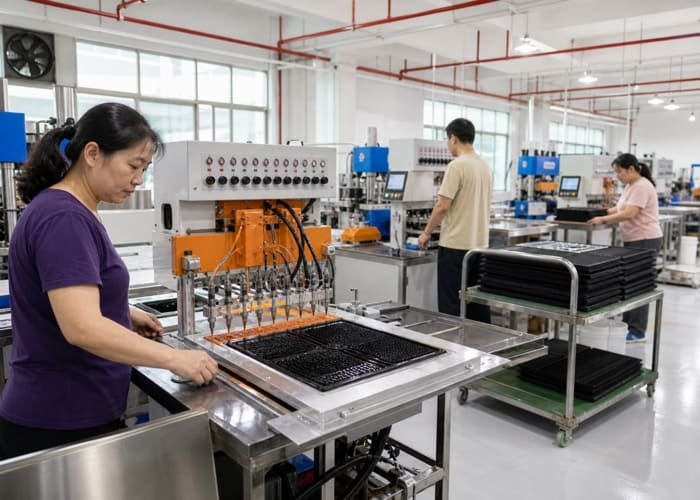
Previa approvazione del campione e ricevimento del deposito di produzione, la fabbrica acquista le materie prime e calibra la linea di produzione automatizzata di distribuzione del PVC. Il PVC liquido viene quindi iniettato sistematicamente nella serie di stampi, che attraversano un processo di riscaldamento e raffreddamento per creare centinaia o migliaia di tappetini identici.
Immergiti più a fondo
Questa fase è quella in cui l'efficienza e il controllo del processo del tuo produttore brillano davvero.
H3: Preparativi pre-produzione
Prima che le macchine inizino a funzionare, si svolgono diversi passaggi cruciali dietro le quinte.
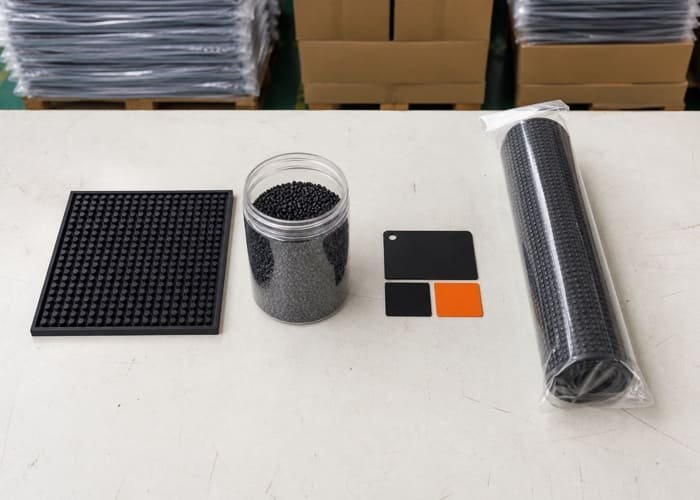
- Approvvigionamento di materie prime: È qui che fai affidamento sull'integrità del produttore. Il tuo contratto dovrebbe indicare esplicitamente da cosa verranno realizzati i tappetini 100% nuovo, PVC ecologico, non mescolato con scarti riciclati. I materiali riciclati possono causare odori sgradevoli, fragilità, e potenziali problemi di conformità alla sicurezza.
- Campione di pre-produzione (PPS): Questo è un consiglio professionale che consiglio sempre ai miei clienti. Produciamo uno dei primissimi tappetini dalla linea di produzione di massa e inviamo foto (o il tappetino fisico) for a final "go-ahead." Questo passaggio conferma che il lotto di colori per la grande tiratura corrisponde perfettamente al prototipo originale, prevenendo qualsiasi potenziale deriva del colore.
- Calibrazione della macchina: I distributori automatici sono programmati con il file digitale del tuo disegno. Gli ugelli, pressione, e i tempi sono tutti ottimizzati per soddisfare le specifiche del campione approvato.
H3: La linea di produzione automatizzata in azione
Il cuore del moderno produzione di tappetini da bar è la linea di dispensazione in PVC. È una meraviglia di efficienza. Stampi multipli, identico a quello utilizzato per il tuo campione, vengono posizionati su un nastro trasportatore. Un braccio robotico con diversi ugelli si muove su ogni stampo, iniettando con precisione i colori corretti nelle cavità corrette.
Questo processo automatizzato offre numerosi vantaggi rispetto ai metodi manuali:
- Coerenza: Ogni tappetino è praticamente identico, eliminando l’errore umano.
- Velocità: La linea può produrre un numero significativo di tappetini all'ora, consentendo di completare ordini di grandi dimensioni entro i tempi promessi. Per un ordine tipico, inizia la fase di produzione di massa 10–18 giorni.
- Complessità: L'automazione consente operazioni complesse, disegni multicolori che sarebbero incredibilmente difficili o richiederebbero molto tempo da produrre a mano.
Il trasportatore sposta quindi gli stampi riempiti attraverso un lungo forno a tunnel per la polimerizzazione, e infine ad una stazione di raffreddamento prima della sformatura.
Come vengono gestiti il controllo qualità e la spedizione nella produzione dei tappetini da bar?
I tappetini sono stati modellati, ma il lavoro è lungi dall’essere finito. Un unico difetto di produzione, se si tratta di una bolla nel PVC, un colore sbavato, o un bordo deformato a causa di un imballaggio scadente, possono danneggiare la reputazione del tuo marchio. Un completo, Il sistema di controllo qualità in più fasi e l'imballaggio attento sono i guardiani finali del tuo investimento.
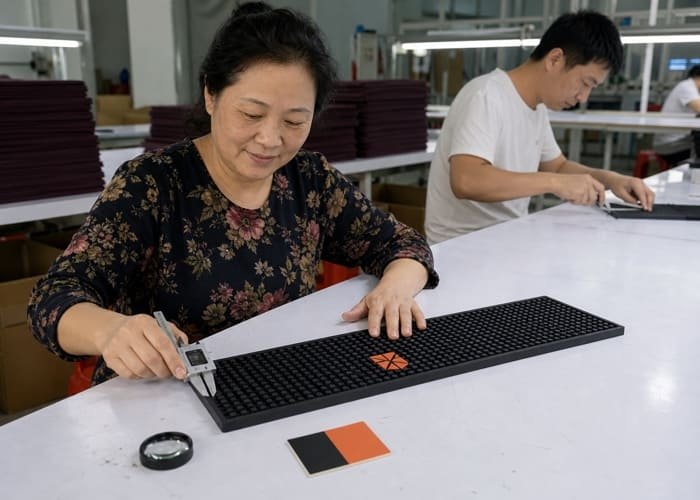
Ogni tappeto viene sottoposto a ispezione in più punti, con un controllo finale dettagliato prima del confezionamento. Per preservarne la forma, vengono arrotolati tappetini di alta qualità, non piegato. Una volta che l'ordine supera il controllo di qualità finale, viene effettuato il pagamento del saldo, e la merce viene preparata per la spedizione.
Immergiti più a fondo
Questa tappa finale del viaggio garantisce che la qualità approvata nel campione sia la qualità che arriva alla tua porta.
H3: Ispezione di qualità multipunto
Un produttore affidabile non si limita a controllare i tappetini alla fine; la qualità è monitorata durante tutto il processo di produzione del tappetino da bar.
- Controllo di qualità in linea: Come i tappetini escono dalla linea di produzione, gli operatori eseguono un controllo iniziale, alla ricerca di difetti evidenti come bolle d'aria, riempimenti incompleti, o sanguinamento maggiore del colore.
- Controllo qualità post-produzione: Dopo la sformatura, ogni tappeto va ad una stazione di finitura. Qui, gli operatori addestrati tagliano eventuali scossaline in eccesso (pezzetti sottili di PVC sui bordi) manualmente ed eseguire un'ispezione visiva e tattile più dettagliata.
- Ispezione finale pre-imbarco: Prima che un singolo tappetino venga messo in una scatola, un team finale di controllo qualità ispeziona una parte statisticamente significativa dell'ordine (O 100% per ordini più piccoli). Controllano la precisione del colore rispetto al campione approvato, dimensioni, chiarezza del logo, e pulizia. Questo è anche il momento in cui organizziamo test di conformità di terze parti come PORTATA, Prop. California 65, o standard FDA[^2] se il cliente lo richiede per il proprio mercato.
H3: Confezione: Il passo finale verso la protezione
Il modo in cui vengono confezionati i tappetini è di fondamentale importanza. Ho visto troppi bellissimi tappetini personalizzati rovinati da un imballaggio improprio.
- Laminato vs. Piegato: Insistere sempre sull'imballaggio arrotolato. Tappetini pieghevoli, soprattutto quelli più spessi, crea pieghe permanenti e può causare la deformazione dei bordi e non appiattirli mai. Ogni tappetino deve essere arrotolato individualmente, spesso in un semplice sacchetto di plastica, e poi inserito in un cartone principale.
- Imballaggio personalizzato: Se i tuoi tappetini sono destinati alla vendita al dettaglio o come parte di un kit promozionale di fascia alta, possiamo anche progettare e produrre imballaggi personalizzati, come scatole di cartone stampate o buste brandizzate.
H3: Pagamento finale e logistica
La pratica standard del settore prevede il pagamento di un deposito (tipicamente 30-50%) per avviare la produzione di massa, con il saldo finale dovuto al completamento e prima della spedizione. Una volta che il pagamento finale è stato cancellato, il tuo ordine viene consegnato allo spedizioniere per il viaggio verso di te via mare o via aerea.
Qual è la sequenza temporale standard e come evitare le insidie comuni?
Comprendere i singoli passaggi è fondamentale, ma la gestione della tempistica complessiva del progetto e dei rischi intrinseci è ciò che garantisce il successo. Un ritardo imprevisto o un lotto di tappetini di bassa qualità possono interrompere il lancio di un prodotto o una campagna di marketing. Conoscendo il programma standard ed essendo consapevoli degli errori comuni, puoi diventare un partner proattivo nel processo di produzione del tappetino da bar.
Per un tappetino da bar standard in PVC goffrato, in genere richiede l'intero processo, dall'approvazione della grafica alla preparazione per la spedizione 16 A 30 giorni. Puoi evitare le trappole più comuni e costose non pagando mai un acconto prima dell'approvazione del campione, specificando contrattualmente i nuovi materiali, richiedendo un campione di pre-produzione, e insistendo sull'imballaggio arrotolato.
Immergiti più a fondo
Mettiamo tutto insieme con una tempistica chiara e consigli attuabili per proteggere il tuo progetto.
H3: Cronologia di produzione standard
Questa tabella fornisce una stima realistica per un progetto di tappetino da bar in PVC personalizzato. Tieni presente che i tempi di consegna possono variare in base alla quantità dell'ordine e alla capacità della fabbrica.
| Palcoscenico | Durata tipica |
|---|---|
| Conferma dell'opera d'arte | 1–2 giorni |
| Creazione di stampi & Prototipazione | 3–7 giorni |
| Produzione di massa | 10–18 giorni |
| Controllo qualità & Confezione | 2–3 giorni |
| Tempo totale stimato | 16–30 giorni |
H3: Quattro errori critici da evitare
Nel corso dei miei anni nel settore manifatturiero, Ho visto clienti commettere gli stessi errori evitabili. Ecco la mia lista di controllo essenziale per garantire un processo regolare:
- Non pagare mai il deposito per la produzione di massa prima dell'approvazione del campione. Il campione fisico è il tuo contratto. È la prova che la fabbrica può realizzare la tua visione. L’approvazione di una prova digitale non è sufficiente. Non rilasciare il deposito principale finché non avrai tra le mani il prototipo fisico e avrai confermato che soddisfa 100% delle tue esigenze.
- Specify "100% New Eco-Friendly Material" nel tuo contratto. Le fabbriche senza scrupoli possono ridurre i costi mescolando prodotti più economici, materiali riciclati. Ciò può provocare un prodotto con un forte odore chimico, scarsa durabilità, e potenziali problemi di sicurezza. Ottienilo per iscritto.
- Richiedi sempre un campione di pre-produzione (PPS). Anche con un prototipo omologato, possono verificarsi leggere variazioni quando si mescolano grandi lotti di materie prime per la produzione di massa. UN PPS (anche solo una foto) è il controllo finale per garantire che il colore del lotto principale corrisponda perfettamente al campione originale, evitando una discrepanza cromatica su larga scala.
- Insisti sull'imballaggio arrotolato nel tuo ordine di acquisto. Questo può sembrare un dettaglio di poco conto, ma è fondamentale. I tappetini piegati arrivano con pieghe permanenti e bordi deformati che non si appiattiscono, facendoli sembrare scadenti e poco professionali. Specificare che ogni tappetino deve essere arrotolato e imballato in modo da evitare che si schiacci.
Domande frequenti
Qual è la quantità minima dell'ordine (MOQ) per tappetini bar personalizzati?
Il MOQ può variare, ma per un design semi-standard utilizzando uno stampo esistente, il nostro MOQ su SuperfectCraft è in genere 200 pezzi per disegno per colore. Per uno stampo personalizzato completamente nuovo, il MOQ potrebbe essere leggermente più alto per compensare i costi di sviluppo.
Posso avere un tappetino da bar con una forma completamente personalizzata?
Assolutamente. Possiamo creare un nuovo stampo praticamente per qualsiasi forma tu possa progettare, che si tratti del contorno del tuo logo, una bottiglia di prodotto, o un altro contorno unico. Questa è una parte fondamentale del nostro servizio OEM/ODM.
Che tipo di file grafico devo fornire per il mio logo?
I file migliori sono basati su vettori, come Adobe Illustrator (.AI), .EPS, o un file .PDF di alta qualità. Questi file ci consentono di ridimensionare perfettamente il tuo progetto senza perdere alcun dettaglio, garantendo una finitura nitida e professionale sul tappetino finale.
Devo pagare uno stampo per ogni ordine??
NO. La tariffa per lo stampo è un costo una tantum associato a un progetto specifico. A patto di riordinare esattamente lo stesso tappetino (stessa dimensione, forma, e logo), non dovrai pagare nuovamente la tassa sullo stampo. Conserviamo gli stampi per i nostri clienti per ordini futuri.
Qual è la differenza principale tra un tappetino in PVC e uno in silicone??
Il PVC è lo standard del settore: è conveniente, durevole, impermeabile, ed eccellente per contenere colori vivaci e loghi complessi. Il silicone è un'opzione più premium che offre una maggiore resistenza al calore (buono per posizionare strumenti caldi) e maggiore flessibilità, ma in genere ha un costo più elevato.
Conclusione
Il viaggio di un tappetino da bar personalizzato da semplice idea a risorsa di marketing tangibile è preciso, funzionamento a più stadi. Inizia con un brief di progettazione chiaro, attraversa la fase critica di campionamento, aumenta durante la produzione di massa automatizzata, e si conclude con un rigoroso controllo di qualità e un imballaggio protettivo. Comprendendo ciascuna di queste sei fasi: Progettazione, Campionamento, Preparazione, Produzione, Controllo qualità, e Spedizione: puoi navigare nel processo di produzione del tappetino da bar con fiducia. Una partnership con un produttore trasparente ed esperto è la chiave per trasformare la tua visione in un prodotto di alta qualità che rafforza il tuo marchio.
Se sei pronto a dare vita al design del tuo tappetino da bar personalizzato, il nostro team di SuperfectCraft è qui per guidarti attraverso ogni passaggio. Contattaci oggi per uno schizzo di progettazione gratuito e un preventivo senza impegno.
- Whatsapp: +86 15816822766
- E-mail: sales01@superfectcraft.com
- Sito web: www.superfectcraft.com
[^1]: "Pantone Color Systems | Universal Language of Color", https://www.pantone.com/color-systems/pantone-color-systems-explained?srsltid=AfmBOorOAN57QfaJkWLRGnCl9S8DLol0cWSd04AW5iSZMGu-PJuolO5X. Il sistema di corrispondenza Pantone è ampiamente utilizzato nelle industrie per garantire una corrispondenza precisa dei colori, fornendo un riferimento universale ai produttori per replicare accuratamente i colori del marchio. Ruolo di prova: meccanismo; tipo di fonte: istituzione. Supporta: I codici PMS sono un sistema standardizzato per garantire una riproduzione del colore coerente su diversi materiali e processi.. Nota sull'ambito: L'efficacia può variare a seconda del materiale e del metodo di produzione. [^2]: "EU REACH", https://www.trade.gov/eu-reach. La documentazione governativa conferma l'adesione al REACH, Prop. California 65, e gli standard FDA sono fondamentali per garantire la sicurezza dei prodotti e la conformità normativa in vari mercati. Ruolo di prova: caso_riferimento; tipo di fonte: governo. Supporta: Conformità al REACH, Prop. California 65, e gli standard FDA garantiscono che i prodotti soddisfino le normative sulla sicurezza e sull'ambiente.. Nota sull'ambito: L'applicabilità specifica ai tappetini da bar può dipendere dall'uso previsto e dal mercato.