
Finding the right manufacturing partner is a critical step for any brand looking to produce custom mats. Your choice of an OEM mat factory directly impacts product quality, delivery timelines, and ultimately, your brand's reputation. A systematic evaluation process ensures you partner with a factory that is not just a supplier, but a cornerstone of your success.
To choose a reliable OEM mat factory, you must follow a structured vetting process. Start by reviewing their business qualifications and certifications. Volgende, conduct a virtual or on-site factory audit to inspect their mold library, production lines, and raw material storage. Dan, order samples to test for quality and consistency. Finally, verify their quality control systems, negotiate clear commercial terms, and run a small trial order before committing to a long-term partnership.

This detailed approach might seem extensive, but each step is designed to mitigate risk and build confidence. Moving from documents to physical products allows you to see beyond promises and evaluate a factory's true capabilities. Let's break down each stage of this essential process.
How Do You Start with a Qualification Review?
The initial phase of vetting a potential factory involves a thorough review of their documentation. This "paper audit" helps you quickly filter out unqualified or risky suppliers before investing more time.
Requesting key documents provides a baseline understanding of a factory's legitimacy, operational scale, and commitment to quality. It’s the first and easiest way to verify that a potential partner is a serious, professional organization.
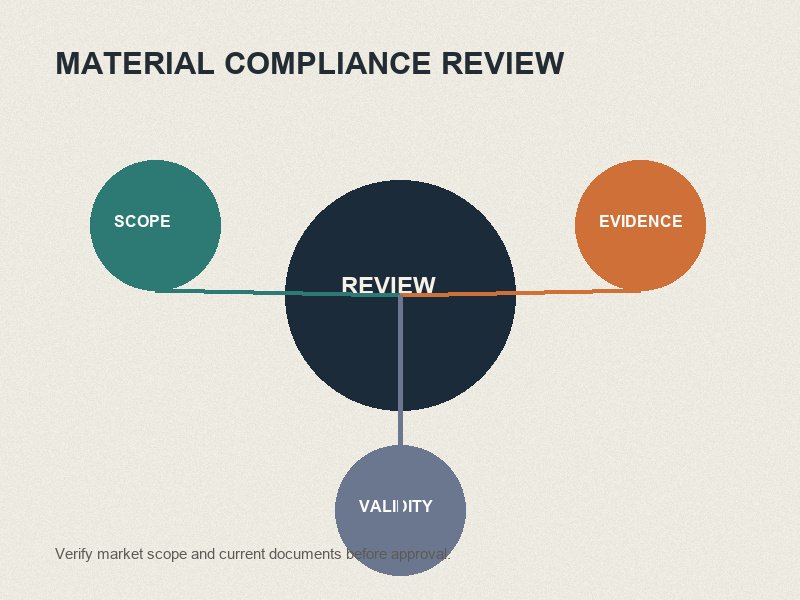
Duik dieper: The Essential Document Checklist
When I begin discussions with a new potential partner, I always start by requesting a standard set of documents. This isn't about creating bureaucracy; it's about establishing a foundation of trust and transparency. A professional factory will have these documents readily available.
Here are the core documents you should ask for and what they tell you:
- Business License: This is the most basic requirement. It confirms the company is legally registered in its country of origin. Pay attention to the registered business scope—does it explicitly mention manufacturing mats or related plastic/rubber products?
- Export License: Just because a company can manufacture doesn't mean it can export directly. A factory without an export license will have to use a third-party trading company, adding costs and a layer of communication complexity. We at SuperfectCraft handle our own exports, simplifying the process for our clients.
- Quality Management System Certificates (e.g., ISO 9001): An ISO 9001 certification indicates that the OEM mat factory has established and follows standardized processes for quality management. It shows a commitment to consistency, continuous improvement, and customer satisfaction. While not a guarantee of perfect products, it proves a systematic approach to quality is in place.
- Social Compliance Audit Reports (e.g., BSCI, Sedex): These reports are crucial if your brand values ethical sourcing. They evaluate a factory on criteria like fair wages, working hours, and workplace safety. For many large brands and retailers, a passing social audit is non-negotiable.
- Previous Material Test Reports (e.g., BEREIK, Prop 65, FDA): Ask if they have existing reports for the materials you plan to use (PVC, siliconen, rubber). While you'll need to conduct your own tests for your specific product, these reports show the factory has experience meeting international safety standards. It demonstrates their familiarity with compliance requirements for markets like the EU and the US.
A factory's willingness and speed in providing these documents is your first test of their professionalism and transparency.
What Should You Look for in a Factory Audit?
After a successful document review, the next step is to see the factory in person or via a detailed video tour. An audit allows you to verify the claims made on paper and assess the physical reality of their operations.
A well-organized, clean, and efficient production environment is a strong indicator of a reliable OEM mat factory. This step helps you evaluate their true production capacity, technical skill, and quality culture.
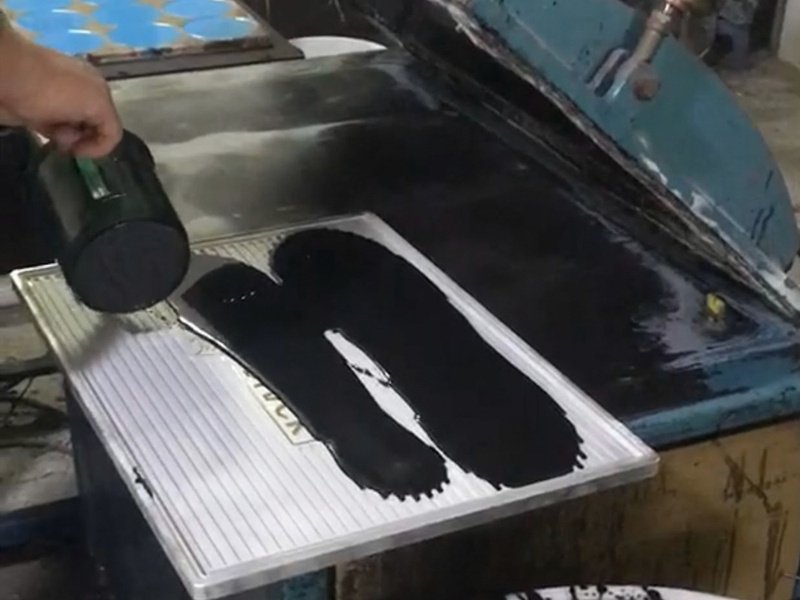
Duik dieper: The Virtual vs. On-Site Audit Checklist
In today's global market, an on-site visit isn't always feasible. A well-structured virtual audit can be highly effective. The key is to direct the tour and ask specific questions. Here’s a comparison and a checklist of what to inspect.
| Aspect | On-Site Audit | Virtual Audit |
|---|---|---|
| Immersion | Complete sensory experience (see, hear, smell). | Visual and auditory only. |
| Spontaneity | Easier to notice unplanned details. | Can feel more staged. Must direct the camera. |
| Cost & Time | Hoog (travel, accommodation). | Laag (requires a good internet connection). |
| Interaction | Direct conversation with workers and managers. | Conversation is filtered through your main contact. |
Regardless of the format, your inspection should focus on these four critical areas:
-
Mold Warehouse (模具库): For products like PVC and silicone mats, the molds are a core asset.
- Ask to see their mold library. Is it well-organized, with molds labeled and stored neatly? A large, well-maintained library, like ours at SuperfectCraft, allows for faster development as you might be able to use or adapt an existing mold, saving thousands in tooling costs.
- Check the condition of the molds. Are they clean and free of rust? This indicates a good maintenance routine.
-
Production Lines (产线): This is where your product comes to life.
- Observe the equipment. Is it modern and well-maintained, or old and in disrepair?
- Look at the workflow. Is the process logical and efficient? Are workstations clean and organized?
- Evaluate the workers. Do they seem skilled and focused? A stable, experienced workforce is a major asset.
-
Raw Material Warehouse (原料仓): The quality of your mat starts with the quality of the raw materials.
- Check for organization. Are materials (e.g., PVC resins, color pigments, siliconen) clearly labeled and stored in a clean, dry environment?
- Ask about their inventory system. Do they use a First-In, First-Out (FIFO) system to ensure materials don't expire?
-
In-House Lab / Testing Area (实验室):
- What basic tests can they perform? Even a small lab should have equipment for color matching (light box), and basic durability checks. This shows a proactive approach to quality control.
An audit provides invaluable insights that no document can offer. It’s your chance to confirm that the OEM mat factory has the infrastructure and processes to deliver on its promises.
How Do You Verify Quality with Samples?
Once you are confident in the factory's infrastructure, it's time to test their execution. The sample production stage is where you get the first tangible proof of a factory's ability to meet your specifications.
A high-quality sample that perfectly matches your design specifications is the single most important predictor of a successful production run. It demonstrates the factory's technical skill and attention to detail.

Duik dieper: A Practical Guide to Sample Evaluation
When your sample arrives, it’s more than just a quick look. It requires a methodical inspection against your technical specifications sheet. Over the years, I’ve developed a checklist to ensure nothing is missed. This is a critical step before approving for mass production.
Here’s what to look for when evaluating a sample from a potential OEM mat factory:
-
Dimensional Accuracy & Weight:
- Use a caliper and a scale. Is the length, width, and thickness within the agreed-upon tolerance (e.g., +/- 1mm)?
- Does the weight match the expected material density? A significant deviation could indicate the use of cheaper fillers.
-
Color Fidelity:
- Compare the sample's colors to your specified Pantone (PMS) kleurcodes.
- Check the color under different lighting conditions (daylight, office light). A professional factory uses a light box to ensure color consistency. Our color matching process at SuperfectCraft is a multi-step procedure to ensure we hit the exact PMS code our client provides.
-
Logo & Detail Clarity:
- This is especially important for PVC mats with intricate logos. Are the edges of the logo sharp and clean?
- Is there any "bleeding" of colors between different sections? This points to poor technique during the color dispensing process.
- Are small text elements legible and well-defined?
-
Materiaal & Physical Properties:
- Gevoel & Flexibility: Does the material feel as expected? Is the PVC flexible but durable? Does the silicone feel soft and premium?
- Odor: A strong chemical smell can be a red flag, indicating the use of low-quality plasticizers or materials that may not be compliant with safety standards like REACH or Prop 65.
- Functionality: If your mat has special features, test them. Does the anti-slip base grip the counter? Does the drainage structure effectively channel liquid? If it's a heat-resistant tool mat, test it (safely!) with a warm tool.
Don't be afraid to provide detailed, constructive feedback. A good factory partner will appreciate clear notes and will work with you to refine the sample until it is perfect. The time spent perfecting the sample saves immense headaches and costs down the line.
How to Assess QC Processes & OEM Services?
A great sample is one thing; consistently producing 10,000 great units is another. This requires a robust Quality Control (QC) system and strong supporting services.
Evaluating an OEM mat factory's internal QC processes and their range of services (like design and packaging) reveals their ability to be a true partner, not just a producer. These systems are what ensure quality at scale.

Duik dieper: Beyond the Production Line
True OEM partnership goes beyond simply manufacturing a product. It involves a suite of services and processes that support your brand from concept to delivery. When assessing a factory, dig into their operational backbone.
1. The Quality Control (QC) Funnel: A professional factory doesn't just inspect the final product. They build quality into every step of the process. Ask them to walk you through their QC structure, which should include:
- Incoming Quality Control (IQC): They should be testing raw materials before they enter production. Ask to see their IQC station and records. What do they test for? (e.g., material hardness, color of pigments).
- In-Process Quality Control (IPQC): Inspectors should be monitoring the production line at key stages. For PVC mats, this means checking for color bleeding after dispensing or bubbles after molding. This catches errors early, reducing waste and delays.
- Final Quality Assurance (FQA): This is the final 100% inspection before packing. Ask for their FQA checklist. What are their standards for acceptable vs. defective units (e.g., small scuffs, color deviations)? Understanding their criteria for a "good" product is crucial.
2. Value-Added OEM Services: A top-tier OEM mat factory acts as an extension of your team. Their value is measured not just in the cost per unit, but in the problems they solve for you.
- Ontwerp & Engineering Support: Do you have a design team? If not, a factory's design support is invaluable. For example, our 24-hour design sketch service at SuperfectCraft helps clients visualize their product quickly, even if they only provide a logo and dimensions. We can also advise on structural designs for better drainage or anti-slip performance.
- Custom Packaging Solutions: The product isn't finished until it's packaged. Can the factory source or produce custom retail boxes, polybags with printed warnings, or branded header cards? This simplifies your supply chain immensely.
- Logistics & Communication: How responsive is your contact person? Do they provide clear, proactive updates? Can they handle shipping documentation and arrange freight to your warehouse? Smooth communication and reliable logistics are just as important as production quality.
Assessing these systems gives you a clear picture of the factory's maturity and their ability to support your business's growth.
What Commercial Terms Should Be Negotiated?
With quality and capabilities confirmed, the final step before placing an order is to negotiate and formalize your business relationship. Clear, comprehensive commercial terms protect both you and the factory.
Negotiating a detailed agreement that covers pricing, lead times, intellectual property, and quality standards is essential. This document will serve as the rulebook for your entire partnership, preventing future misunderstandings.

Duik dieper: Key Clauses for Your OEM Agreement
A handshake is nice, but a contract is binding. Your purchase order or manufacturing agreement should be crystal clear on all key commercial aspects. Having worked on hundreds of these agreements from the factory side, I know that clarity upfront is the key to a smooth relationship.
Here are the critical clauses to include and define with your OEM mat factory:
-
Pricing & Payment Terms:
- Unit Price: Lock in the price per unit and the currency (usually USD). Specify if this price is FOB (Free On Board), EXW (Ex Works), etc.
- Mold/Tooling Costs: If a new mold is required, define the cost, ownership (usually the client owns it after paying), and payment schedule.
- Payment Schedule: The industry standard is often a 30%–50% deposit to begin production and the remaining balance (70%–50%) paid after final inspection but before shipment.
-
Lead Times:
- Be specific. Define the sample lead time (e.g., 7-10 dagen) and the mass production lead time (e.g., 20-30 dagen).
- Crucially, define when the "clock starts" for mass production. Usually, it begins after sample approval and deposit payment.
-
Intellectual Property (IP):
- Clearly state that you, the client, own the intellectual property for your designs, logo's, and branding.
- Include a clause that the factory cannot use your designs or sell your products to any other client.
-
Quality Standards & Defect Resolution:
- Reference the Approved Sample: State that all mass-produced units must conform to the final approved sample.
- Define AQL (Acceptable Quality Level): Agree on a standard for inspecting a percentage of the shipment and the maximum number of allowable minor and major defects.
- Penalties/Resolution: What happens if the product fails inspection? The agreement should outline remedies, such as the factory remaking the defective units at their own cost or offering a discount.
-
Minimale bestelhoeveelheid (MOQ):
- Clearly state the MOQ for the agreed-upon price. Bij SuperfectCraft, our MOQ is often around 200 pieces per design for items using existing molds, which is a great starting point for many brands.
Formalizing these terms creates a transparent framework that aligns expectations and provides a clear path forward for resolving any issues that may arise.
How Do You Transition from a Trial Order to a Partnership?
The final test of a factory is a real-world, small-batch production run. This trial order validates everything you've discussed and tested, from quality consistency to delivery promises.
A successful trial order is the bridge from being a potential supplier to becoming a trusted, long-term manufacturing partner. It is the ultimate proof of an OEM mat factory's reliability and commitment.
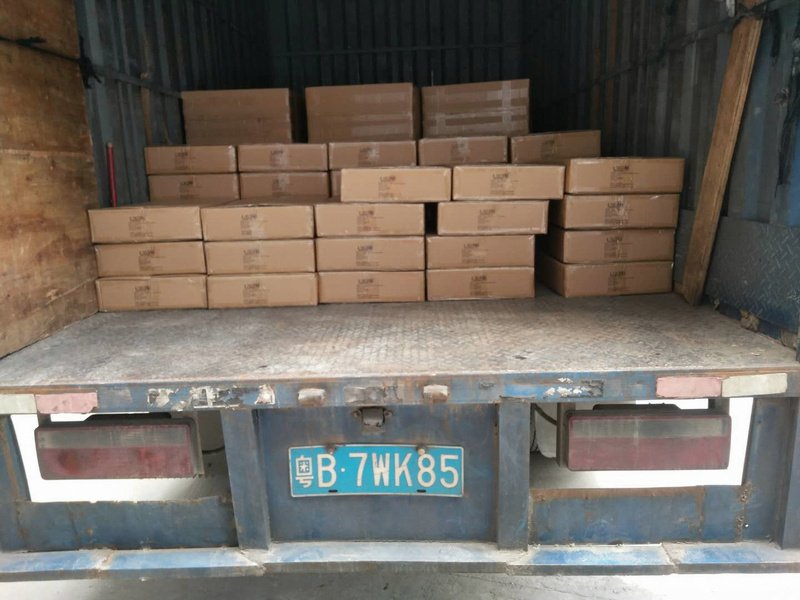
Duik dieper: From First Order to Framework Agreement
A trial order, typically for your MOQ (e.g., 200–500 units), is a limited-risk investment to verify the entire end-to-end process. This isn't just about the product; it's about the experience. Use this first order to evaluate the factory on a final set of practical criteria.
Evaluating the Trial Order: Once the order is complete, ask yourself these questions:
- Was the Production Lead Time Met? Did they ship on the date they promised? Minor delays can happen, but significant, unexplained delays are a red flag.
- Is the Quality Consistent? Spot-check a random selection of units from the batch. Do they all look and feel as good as the final approval sample? Is the quality consistent from the first unit to the last?
- How Was the Communication? Did they provide updates during production? When you had a question, how quickly and effectively did they respond?
- How Was the Packaging & Logistics? Did the products arrive safely? Were the shipping cartons durable and correctly labeled? Was the paperwork (packing list, invoice) accurate?
Building a Long-Term Partnership: If the trial order meets or exceeds your expectations, it’s time to discuss a long-term relationship. This is where you can move from placing individual purchase orders to establishing a framework agreement.
A framework agreement can offer significant benefits for both sides:
- For You (the Brand): Potential for better volume-based pricing, priority production scheduling, and dedicated support.
- For the Factory: Predictable order flow, allowing them to better plan raw material purchasing and production capacity.
This final stage transforms the relationship from a simple transaction to a strategic partnership. You have now vetted and validated a reliable OEM mat factory that can help you scale your business with confidence.
Veelgestelde vragen
What is the difference between an OEM and ODM factory?
OEM (Fabrikant van originele apparatuur) means the factory produces goods based on jouw ontwerp en specificaties. Jij zorgt voor het ontwerp, and they build it for you. ODM (Originele ontwerpfabrikant) means the factory offers their own existing product designs that you can brand with your logo, often with minor modifications.
What is a typical MOQ for custom mats?
The Minimum Order Quantity (MOQ) varies greatly depending on the material, complexity, and factory. For PVC or silicone mats using an existing mold, a typical MOQ might be 200–500 pieces. If a new mold needs to be created, the MOQ could be higher to justify the tooling investment.
How important are material safety certifications?
They are extremely important, especially if you sell in the EU, VS, or on platforms like Amazon. Compliance with standards like REACH (for EU), California Proposition 65 (for California), and FDA/LFGB (for food-contact items) ensures your product is safe for consumers and protects you from legal liability and import issues.
Can I use an existing mold from the factory to save costs?
Ja, absolutely. This is one of the biggest advantages of working with an experienced factory. Using an existing mold from their library can save you thousands of dollars and several weeks in development time. You can still customize the color, logo, and packaging to make the product uniquely yours.
Conclusie
Het goede kiezen OEM mat factory is a methodical process, not a game of chance. By following a structured path—from document verification and factory audits to rigorous sample testing and clear commercial negotiations—you can build a resilient and reliable supply chain. The process culminates in a trial order, which serves as the ultimate real-world test of your potential partner's capabilities. A successful trial paves the way for a long-term strategic partnership that fosters growth and ensures consistent quality for your brand. This diligence upfront is the best investment you can make in your product's success.
If you are looking for a reliable, transparent, and capable OEM partner for your custom bar, barber, or tool mats, our team at SuperfectCraft is ready to help. We have the experience, infrastructure, and client-focused services to bring your vision to life.
Contact us today to discuss your project and get a free design sketch within 24 uur.