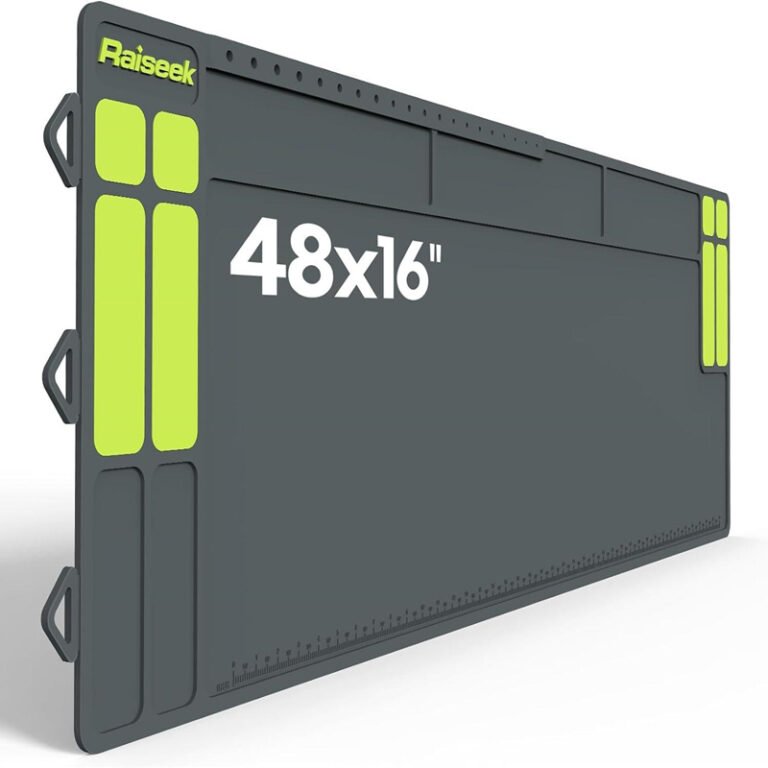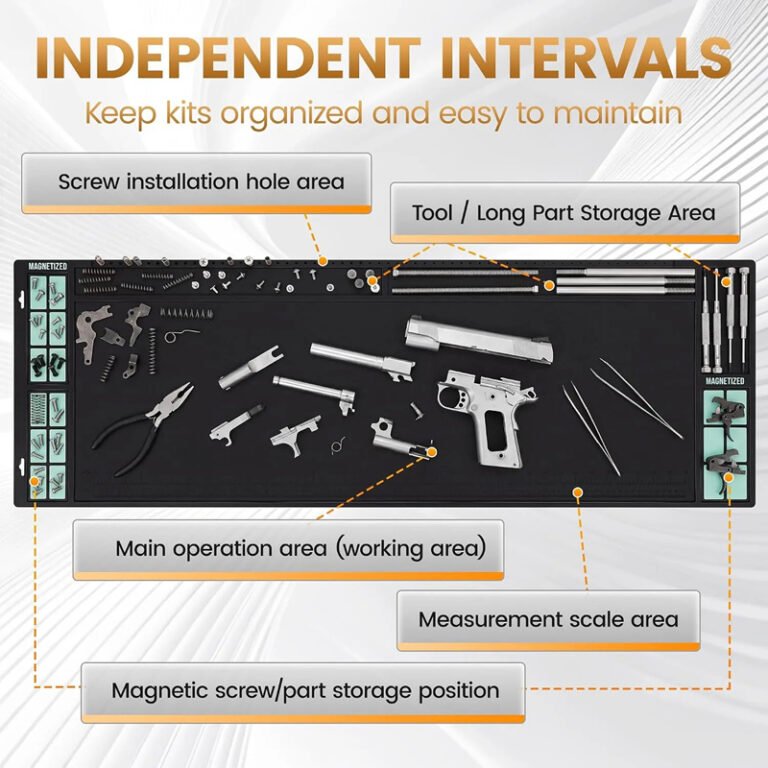

Sourcing custom bar mats introduces you to a complex landscape of global regulations. When you’re focused on design and branding, navigating the world of chemical testing and factory audits can feel overwhelming, potentially causing costly delays or legal issues if overlooked. Partnering with a knowledgeable manufacturer who understands these requirements is the key to a smooth, successful import process.
The specific certifications required for custom bar mats are dictated by your target market and sales channel. For mainland China, basic CNAS reports[^1] are standard. For the European Union, compliance with REACH and EU 10/2011[^2] is mandatory. For the United States, FDA and California Prop 65[^3] are the primary concerns. Large brand clients often add factory audits like ISO 9001[^4] and BSCI to this list.

You now have the high-level answer. But what do all these acronyms—REACH, FDA, CNAS, BSCI—actually mean for your product? Understanding the details behind each certification will empower you to make informed decisions and ensure your product is not only beautiful but also safe and legal.
What Certifications Do I Need for Custom Bar Mats in China?
Planning to sell your branded mats within the massive Chinese domestic market? You might assume it's a simpler process, but China has its own set of rigorous standards that are non-negotiable for commercial use. Overlooking these local requirements can bring your distribution plans to a halt.
For the Chinese domestic market, the minimum compliance package includes the manufacturer's business license, their environmental impact assessment file, a CNAS-accredited RoHS report (for 6P), and a food contact safety report under the GB 4806.7-2023 standard[^5].

Dive Deeper: The Foundation of Compliance in China
When we produce custom bar mats for our domestic clients—be it a national hotel chain or a local coffee shop—we start with a baseline of documentation that proves our legitimacy and product safety. This is the foundation upon which all other international certifications are built.
- Business License & Environmental Assessment: This is the absolute minimum. It proves you are working with a legally registered company that operates in compliance with national environmental protection laws. It's a basic check for supplier legitimacy.
- CNAS 6P RoHS Report: CNAS is the China National Accreditation Service for Conformity Assessment. A CNAS-accredited lab report for RoHS (Restriction of Hazardous Substances) is essential. The "6P" specifically refers to testing for the six most common and harmful phthalates, which are plasticizers often used in PVC products. This test ensures the mat is safe for consumer contact.
- CNAS GB 4806.7-2023 Food Contact Report: This is a crucial standard for any item that may come into contact with food or beverages. Since bar mats constantly have wet glasses, drips, and spills on them, they fall under this category. This standard, specific to plastic materials, sets strict limits on what substances can migrate from the mat. Compliance with GB 4806.7-2023 demonstrates a high level of product safety and quality, distinguishing a premium product from a low-cost promotional item.
As a manufacturer, we maintain these foundational documents to ensure every project starts on solid legal and safety ground. For any client, this domestic package is the very first step in the compliance journey.
What Certifications Do I Need for Custom Bar Mats in the EU?
Entering the European Union offers access to a lucrative and sophisticated market. However, it also means adhering to some of the most stringent consumer protection and chemical safety laws in the world. A single missing test report can result in your entire shipment being impounded at customs, leading to significant financial loss.
For export to the EU, your custom bar mats must have the full Chinese domestic compliance package plus specific EU-mandated certifications. These include a full REACH SVHC test report, compliance with EU Regulation No 10/2011 for plastic food contact materials, and a formal Declaration of Conformity (DoC).

Dive Deeper: Meeting the EU's High Standards
When a client comes to us for an order destined for Germany, France, or any other EU country, the conversation immediately turns to a few key regulations. I always explain that these aren't just "nice to have"—they are legal requirements for market access.
Understanding REACH (Registration, Evaluation, Authorisation and Restriction of Chemicals)
REACH is a comprehensive EU regulation designed to protect human health and the environment from risks posed by chemicals. It places the burden of proof on companies. For your bar mats, the most important part is testing against the Substances of Very High Concern (SVHC)[^6] list.
- The SVHC List: This list includes chemicals that are carcinogenic, mutagenic, or toxic for reproduction, among other things. The European Chemicals Agency (ECHA) updates this list twice a year.
- Your Responsibility: Your product cannot contain any SVHCs above a concentration of 0.1% by weight. We work with accredited third-party labs to test our materials (PVC, silicone, rubber) against the very latest SVHC list to guarantee compliance for your shipment.
The Importance of EU No 10/2011 for Food Contact
Similar to China's GB standard, EU 10/2011 is the specific law governing plastic materials intended to come into contact with food. It sets out strict "migration limits[^7]," which is the maximum amount of a substance allowed to transfer from the material to the food. Since bar mats hold drinking glasses, this regulation is directly applicable. Compliance proves the material is stable and will not leach harmful chemicals into a customer's drink.
The Declaration of Conformity (DoC)
The DoC is the final, crucial piece of paperwork. It is a formal, signed statement from us, the manufacturer, declaring that the custom bar mats we produced for you comply with all applicable EU health, safety, and environmental protection legislation. This document ties all the test reports together and must be available for inspection by market surveillance authorities.
Are Different Certifications Needed for Custom Bar Mats in the US?
The United States market might seem more straightforward than the EU, but it has its own compliance traps, mainly due to a mix of federal and powerful state-level regulations. A product that is perfectly fine for sale in Texas might require special labeling to be legally sold in California.
For custom bar mats sold in the US, you need the base Chinese certifications plus compliance with FDA 21 CFR[^8] for food-contact materials and a test report for California Proposition 65[^9] to avoid mandatory warning labels.
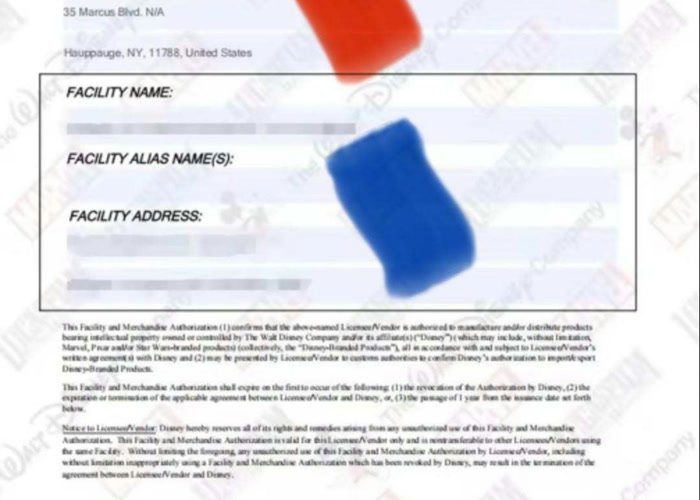
Dive Deeper: Navigating US Federal and State Laws
When we prepare an order for the US, our focus shifts to two primary regulations. One is federal, and one is state-specific but has nationwide implications.
FDA 21 CFR for Food-Contact Surfaces
The U.S. Food and Drug Administration (FDA) regulates materials that come into contact with food under Title 21 of the Code of Federal Regulations (CFR).
- What it Covers: FDA 21 CFR lists specific polymers (like PVC, silicone) and additives that are considered safe for food contact applications. The material composition of your bar mat must only use substances that are on this approved list.
- Why it Matters: Similar to the EU and Chinese standards, this ensures that the mat will not leach harmful substances onto a glass that someone will drink from. FDA compliance is a federal requirement and a non-negotiable aspect of product safety for the US market.
The Challenge of California Proposition 65 (Prop 65)
Prop 65, officially the Safe Drinking Water and Toxic Enforcement Act of 1986, is a California law with a massive impact.
- Warning Label Requirement: It requires businesses to provide a "clear and reasonable warning" before exposing anyone to chemicals on its official list, which contains over 900 substances known to cause cancer, birth defects, or other reproductive harm.
- Testing is Key: To avoid placing a potentially alarming warning label on your product, you must prove through testing that it does not contain listed chemicals (like lead, cadmium, or certain phthalates) above their "safe harbor" levels. Since California is such a large market, most US importers and brands demand Prop 65 compliance for all their products, regardless of where they will be sold. As a manufacturer, we facilitate this testing to ensure your product can be sold across the US without issue.
What "Extra" Certifications Do Major Brands Look For in Custom Bar Mat Suppliers?
Securing a large OEM contract with a global beverage company, a major tool brand, or a retail chain involves more than just product safety testing. These clients need to protect their brand reputation. They scrutinize their entire supply chain to ensure it is ethical, reliable, and capable of producing consistently high-quality goods.
Beyond product-specific tests, major brands often require factory audits like ISO 9001 for quality management and BSCI or Sedex[^10] for social compliance. They also frequently request performance tests like alcohol abrasion resistance and low VOC/odor reports.

Dive Deeper: Proving You're a World-Class Partner
When a major brand considers a long-term partnership, they are vetting the factory, not just the product. Here are the "bonus points" that move a supplier from acceptable to preferred.
Factory Audits: ISO, BSCI, and Sedex
These certifications are about our processes and ethics as a company.
- ISO 9001 (Quality Management): This certification demonstrates that a factory has a robust Quality Management System (QMS). It means we have documented, repeatable processes for everything from raw material inspection to final product quality control. It gives clients confidence that the 10,000th mat will be identical in quality to the first sample they approved.
- BSCI (Business Social Compliance Initiative) & Sedex (Supplier Ethical Data Exchange): These are social and ethical audits. Auditors inspect our factory to verify compliance with local labor laws, workplace health and safety, environmental responsibility, and business ethics. For a global brand, being associated with a factory that has poor labor practices is a PR nightmare. Passing a BSCI or Sedex audit is often a prerequisite for doing business with them.
Performance and Material-Specific Testing
This is where we prove the functional quality and user experience of the mat.
- Alcohol Abrasion Resistance: A bar mat is constantly wiped down, often with harsh, alcohol-based cleaners. This test simulates that wear and tear to ensure your custom logo doesn't fade, rub off, or degrade after a few weeks of use. It’s a direct measure of durability and print quality.
- Low VOC / Odor Test: Low-quality PVC products can have a strong, unpleasant chemical smell due to the release of Volatile Organic Compounds (VOCs). A low VOC report proves we use superior raw materials and processes, resulting in a product that is safe for indoor air quality and pleasant for the end-user right out of the box.
Frequently Asked Questions
Do I need all these certifications for a small order of custom bar mats?
It depends entirely on your market and sales channel. If you are selling in the EU or US, even for a small order, the core legal requirements (REACH/FDA) still apply. For a small domestic promotional event, the basic Chinese reports may suffice. We can advise based on your specific needs.
How long does third-party testing take?
Typically, sending material samples to an accredited lab like SGS, TUV, or Intertek and getting a full report takes about 7 to 10 working days. We coordinate this process as part of our project management service to ensure it aligns with your production timeline.
Who pays for the certification testing?
The cost of market-specific compliance testing is typically covered by the client. This is because the certifications are a requirement for you, the importer, to legally sell the product in your country. We facilitate the entire process, but the testing fees are a direct cost of importing.
Can you use a test report I already have?
Generally, a new test is required for each new production run. Test reports are only valid if they are recent, from an accredited lab, and for the exact same material formulation, color, and printing method. To ensure absolute compliance, especially with lists like SVHC that are updated regularly, new testing is the safest approach.
Conclusion
Navigating the world of certifications for custom bar mats is a critical step in bringing your product to market successfully. It's not about adding costs; it's about mitigating risk, ensuring safety, and building a reputable brand. The requirements change drastically depending on whether your target is China, the EU, or the US, with major brands adding another layer of scrutiny through factory and social audits. The key is to see compliance not as a hurdle, but as a hallmark of quality.
By partnering with an experienced OEM/ODM manufacturer like SuperfectCraft, you don't have to become an expert in global regulations overnight. We guide you through the process, ensuring your custom bar mats meet the specific standards for your market.
Ready to start a project with a partner who understands compliance? Contact our team with your design, specifications, and target market, and we'll help you build a compliant, high-quality product from sketch to shipment.
[^1]: "Amcor achieves CNAS accreditation in China, speeding ...", https://www.prnewswire.com/news-releases/amcor-achieves-cnas-accreditation-in-china-speeding-customer-access-to-global-markets-302767501.html. The China National Accreditation Service for Conformity Assessment outlines its role in certifying products for domestic compliance. Evidence role: general_support; source type: institution. Supports: The standard use of CNAS reports for compliance in China.. Scope note: The source may not specifically address bar mats but provides general insights into CNAS standards. [^2]: "EU REACH", https://www.trade.gov/eu-reach. The European Chemicals Agency outlines REACH compliance requirements, while the European Commission details EU 10/2011 regulations for food contact materials. Evidence role: general_support; source type: government. Supports: The mandatory nature of REACH and EU 10/2011 compliance for products in the EU.. Scope note: Specific application to bar mats may require additional interpretation. [^3]: "Food Packaging & Other Substances that Come in Contact ...", https://www.fda.gov/food/food-ingredients-packaging/food-packaging-other-substances-come-contact-food-information-consumers. The U.S. FDA provides guidelines for food-contact materials under Title 21 CFR, and the California Office of Environmental Health Hazard Assessment explains Proposition 65 requirements. Evidence role: general_support; source type: government. Supports: The importance of FDA and California Prop 65 compliance for consumer goods in the US.. Scope note: The sources may not directly address bar mats but cover general compliance for similar products. [^4]: "Reaping the benefits of ISO 9001", https://www.iso.org/files/live/sites/isoorg/files/store/en/PUB100369.pdf. The International Organization for Standardization explains the principles and benefits of ISO 9001 certification for manufacturers. Evidence role: general_support; source type: institution. Supports: The role of ISO 9001 in ensuring quality management systems in manufacturing.. Scope note: The source may not specifically address bar mats but covers general manufacturing standards. [^5]: "General Safety Requirements of Food Contact Materials and Articles ...", https://apps.fas.usda.gov/newgainapi/api/Report/DownloadReportByFileName?fileName=General%20Safety%20Requirements%20of%20Food%20Contact%20Materials%20and%20Articles%20Notified%20_Beijing_China%20-%20People%27s%20Republic%20of_CH2025-0182.pdf. The National Health Commission of China provides details on GB 4806.7-2023 standards for food contact materials. Evidence role: general_support; source type: government. Supports: The requirement for GB 4806.7-2023 compliance for food contact materials in China.. Scope note: The source may not specifically address bar mats but covers general food contact material regulations. [^6]: "EU REACH", https://www.trade.gov/eu-reach. The European Chemicals Agency provides detailed guidelines on SVHC thresholds and testing requirements under REACH. Evidence role: mechanism; source type: research. Supports: The concentration limit for SVHCs under REACH regulations.. Scope note: The source may not directly address bar mats but covers general compliance mechanisms. [^7]: "Regulation - 10/2011 - EN - EUR-Lex", https://eur-lex.europa.eu/eli/reg/2011/10/oj/eng. The European Commission outlines migration limits and testing requirements under EU 10/2011 for food contact materials. Evidence role: mechanism; source type: government. Supports: The migration limits set by EU 10/2011 for food contact materials.. Scope note: The source may not specifically address bar mats but provides general regulatory details. [^8]: "Inventory of Food Contact Substances Listed in 21 CFR", https://www.fda.gov/food/packaging-food-contact-substances-fcs/inventory-food-contact-substances-listed-21-cfr. The U.S. FDA provides a detailed list of approved materials and additives under Title 21 CFR for food contact applications. Evidence role: mechanism; source type: government. Supports: The list of approved polymers and additives under FDA 21 CFR for food contact applications.. Scope note: The source may not directly address bar mats but covers general food contact material compliance. [^9]: "Proposition 65 No Significant Risk Levels (NSRLs) and Maximum ...", https://oehha.ca.gov/proposition-65/general-info/proposition-65-no-significant-risk-levels-nsrls-and-maximum-allowable-dose-levels-madls. The California Office of Environmental Health Hazard Assessment provides guidelines on safe harbor levels and warning label requirements under Proposition 65. Evidence role: mechanism; source type: government. Supports: The requirement for warning labels under California Proposition 65 for products containing listed chemicals.. Scope note: The source may not specifically address bar mats but covers general compliance mechanisms. [^10]: "BSCI Audit Requirements: Compliance Guide", https://blog.qima.com/ethical-audit/guide-to-bsci-audit-requirements. The Business Social Compliance Initiative and Sedex provide guidelines for ethical audits and compliance standards for factories. Evidence role: general_support; source type: institution. Supports: The role of BSCI and Sedex audits in verifying ethical and legal compliance in manufacturing.. Scope note: The source may not specifically address bar mats but covers general ethical audit practices.