
Navigating the international manufacturing world can feel daunting, especially when your goal is to create custom products. The process of sourcing mats from China introduces variables like communication, kvalitetskontrol, and logistics that can overwhelm even experienced procurement managers. These uncertainties often lead to project delays and budget overruns, turning a profitable idea into a stressful liability. But with a structured, proven framework, you can transform this complexity into a clear, manageable, and highly successful venture.
To successfully source mats from China, follow this ten-step process: 1) Define your product requirements upfront. 2) Find and verify a direct manufacturer. 3) Submit an inquiry and get a detailed quote. 4) Approve a pre-production sample. 5) Sign a formal purchase contract. 6) Pay the deposit to start production. 7) Conduct a pre-shipment quality inspection. 8) Make the final payment and arrange shipping. 9) Inspect the goods upon arrival. 10) Manage the long-term supplier relationship.
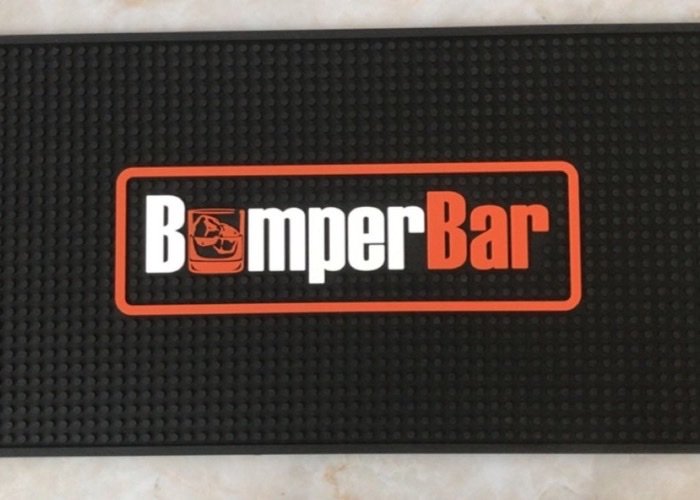
This ten-stage roadmap demystifies the entire procurement cycle, from initial idea to final delivery. By understanding what happens at each step, you can anticipate challenges, mitigate risks, and build a strong partnership with your manufacturer. Let's break down each stage in detail.
Scene 1: How Do You Plan Your Initial Requirements?
Defining your product needs seems simple, but getting it wrong is the number one cause of endless revisions and frustration. You might have a great design in mind, but if key specifications are missing, your factory can only guess what you want. This ambiguity leads to incorrect samples, wasted time, and escalating costs.
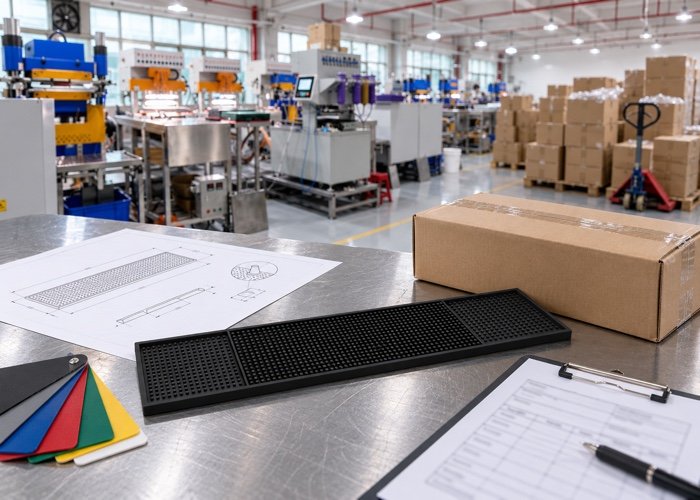
The solution is to create a detailed specification sheet before you even contact a supplier. This document is your project's single source of truth, ensuring everyone is on the same page from day one.
Dyk dybere: Building Your Specification Blueprint
A comprehensive plan is the foundation of successful sourcing. Before you request a quote, gather the following details. This upfront work will save you weeks of back-and-forth communication later. I've seen projects stall for a month just because a client wasn't sure about the final dimensions.
Your technical specification sheet should include:
- Produkttype: Are you sourcing a bar mat, barber mat, tool mat, or something else?
- Dimensioner: Provide exact length, bredde, and thickness in millimeters or inches.
- Materiale: Specify PVC, silikone, gummi, TPE, or non-woven fabric. Each has different properties, costs, and compliance considerations. F.eks, silicone offers high heat resistance, while PVC is excellent for vibrant, molded logos.
- Kunstværk: Have your logo or design ready in a vector format (like
.aieller.eps). This ensures the sharpest possible result when we create a mold. If you don't have a design team, bare rolig. Hos SuperfectCraft, we offer a gratis 24-timers designskitseservice based on your logo and ideas. - Colors: Use Pantone (PMS) color codes for perfect brand matching. Describing a color as "sky blue" is subjective, but "PANTONE 2925 C" is exact.
- Special Features: Do you need anti-slip texturing, afløbskanaler, magnetic sections for tools, or specific heat resistance? Detail these functional requirements.
- Emballage: How should each mat be packed? A simple polybag, a custom-printed box, or bulk packing?
- Quantity: Your order quantity affects the price per unit. Be clear about your initial order volume. Our MOQ is typically 200 pieces per design for existing molds.
Having this information ready makes the quoting process faster and far more accurate.
Scene 2: How Do You Find and Verify a Factory for Sourcing Mats from China?
The internet is full of "suppliers," but many are just trading companies or middlemen who add a markup and create communication delays. Working with a true manufacturer is the core of avoiding scams and ensuring quality. The challenge is distinguishing a real factory from a reseller who just has a nice website.
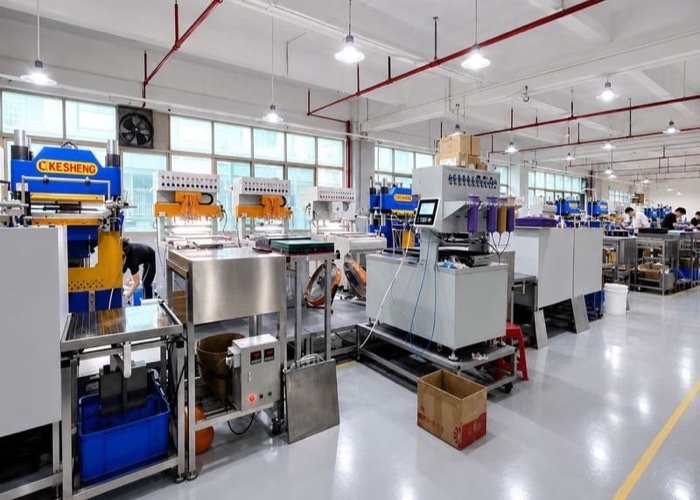
The most reliable way to find a partner for sourcing mats from China is to look for signs of a genuine OEM/ODM manufacturer. This means they should be able to show you their production facilities, discuss technical details, and have a history of custom projects.
Dyk dybere: Separating Factories from Traders
Verifying a supplier is the most critical risk-reduction step. A trading company might disappear if there's a problem, but a factory has physical assets and a reputation to protect. Here’s how we recommend you vet potential partners:
- Ask for a Business License: A Chinese business license will state the company's "Business Scope" (经营范围). Look for terms like "production" (生产), "processing" (加工), or "manufacturing" (制造). If it only lists "sales" (销售) or "wholesale" (批发), it's likely a trading company.
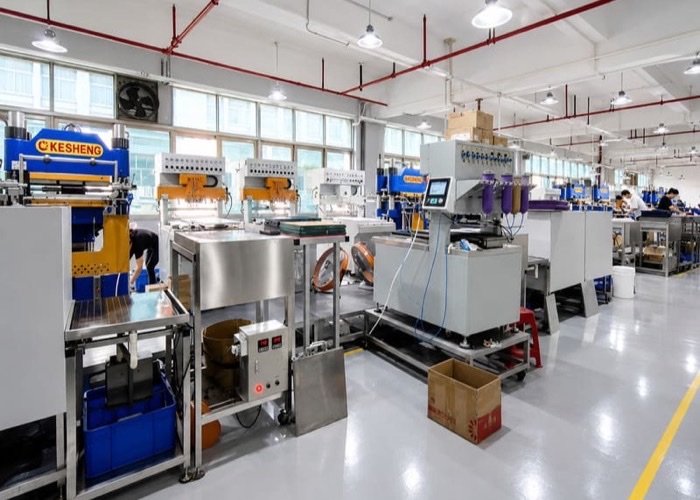
- Request a Factory Tour (Virtual or In-Person): Ask for a live video call where they walk you through their workshop. Hos SuperfectCraft, we're always happy to schedule a virtual tour of our Dongguan facility to show you our mold library, dispensing machines, and production lines.
- Discuss Technical Details: A real factory can discuss mold creation, material properties (like the difference between PVC and silicone), and production challenges. A trader will often have vague answers and need to "check with their engineer."
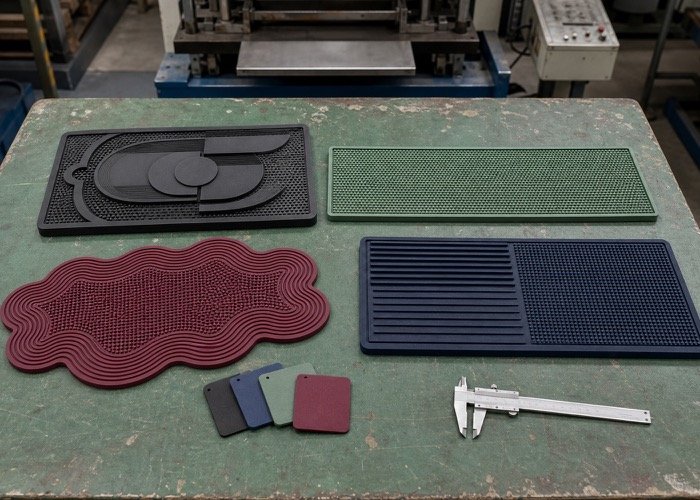
- Check Their Mold Library: An established manufacturer will have a large library of existing molds for different shapes and sizes. This can significantly speed up your product development and reduce costs. We have hundreds of molds ready to go, which helps clients get to market faster.
- Evaluate Their Website and Case Studies: Look for evidence of OEM/ODM work. Do they showcase custom logo projects for other brands? Do they explain their production process? This shows experience in custom manufacturing.
Scene 3: What's the Process for Inquiries, Quotes, and NDAs?
Once you've shortlisted potential factories, the next step is to formally engage with them. This is where you present your detailed requirements and see if their capabilities and pricing align with your budget. It's also the time to protect your intellectual property if you have a unique design.
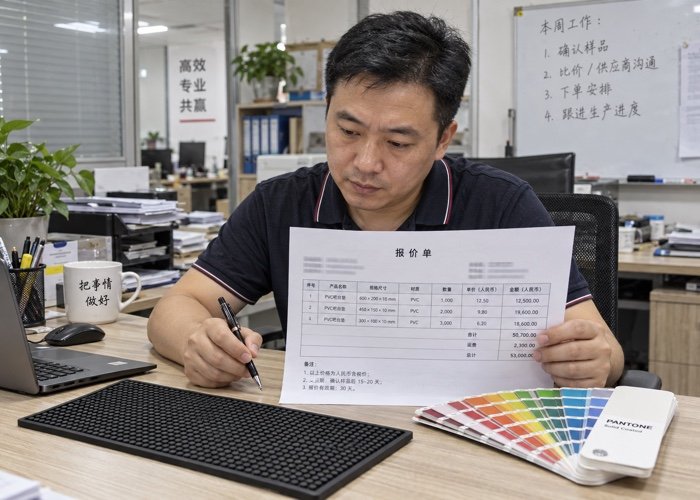
The standard process involves submitting a Request for Quotation (RFQ), receiving a detailed quote, og, if necessary, signing a Non-Disclosure Agreement (NDA) to protect your design.
Dyk dybere: From Inquiry to Agreement
A professional RFQ gets a professional response. When you contact a factory like ours, provide all the specifications you gathered in Stage 1.
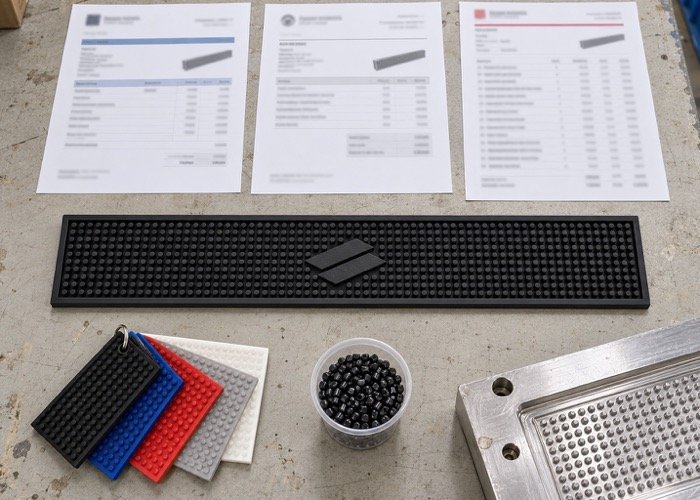
The Quotation: A good quote is more than just a price. It should be a detailed breakdown. Our quotes always include:
- Unit Price: Based on quantity tiers.
- Mold Cost: A one-time fee for creating a new custom mold. This is waived if you use one of our existing molds.
- Sample Cost & Lead Time: Typically around 7 days for a new sample.
- Mass Production Lead Time: Usually 20–30 days after sample approval.
- Material Specifications: Confirmation of the material (PVC, silikone, osv.).
- Betalingsbetingelser: Standard is a 30% deposit and 70% balance before shipment.
- Shipping Terms: EXW (Ex Works), FOB (Free on Board), osv.
The NDA (Non-Disclosure Agreement): If your design is proprietary, it's wise to sign an NDA before sharing detailed artwork. An NDA, or "保密协议" (bǎomì xiéyì) in Chinese, is a legal contract that prevents the manufacturer from sharing your design or producing it for other clients. While enforcement can be complex internationally, a reputable factory will respect it as a sign of a serious, long-term partnership. We routinely sign NDAs with brand owners who need to protect their IP.
Scene 4: Why is Sampling and Prototyping a Critical Step?
You would never approve a 10,000-unit print run of a brochure without seeing a proof first. The same logic applies to manufacturing. Approving mass production based on a digital sketch alone is a massive gamble. Colors can look different in person, textures might not feel right, and logos can lose detail.
A physical sample, or prototype, is the only way to confirm that the factory has perfectly understood your vision. It is your quality benchmark for the entire production run.
Dyk dybere: The Art and Science of a Perfect Sample
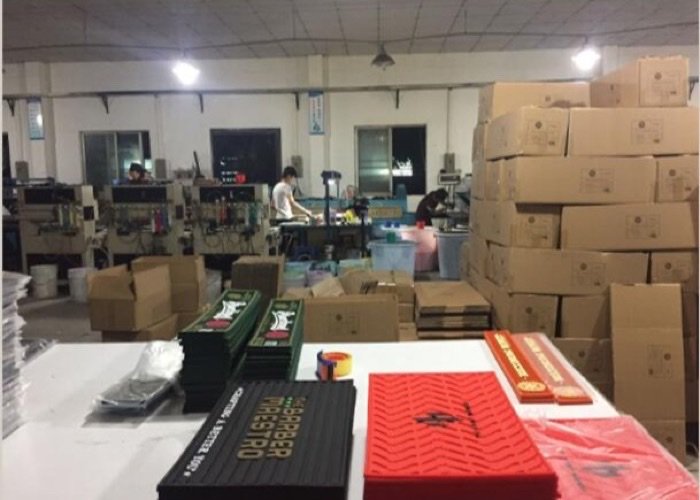
The sample is where the digital design becomes a physical reality. It’s your opportunity to test every aspect of the product before committing to a large order. Hos SuperfectCraft, our sampling process is meticulous:
- Mold Creation: Based on your approved design sketch, we create a precision-engineered metal mold.
- Farvetilpasning: We mix pigments to match your specified Pantone (PMS) codes. This is a crucial step that requires a skilled technician's eye.
- Liquid Injection & Udlevering: For PVC mats, we use dispensing machines to inject the colored liquid PVC layer by layer into the mold to form your logo and design.
- Ovnstøbning: The filled mold is baked in an oven to cure the material, turning it from a liquid into a solid, durable mat.
- Demolding and Inspection: Når den er afkølet, the mat is removed from the mold. Our team inspects it for color accuracy, sharp details, and any imperfections.
Once the sample is ready, we send it to you for approval. You should check the dimensions, farver, material feel, and overall quality. This approved sample is known as the "golden sample" or "confirmation sample." It becomes the standard against which we will measure every single unit in the mass production run.
Scene 5: How Do You Finalize a Formal Purchase Contract?
A verbal agreement or an email chain isn't enough to protect a six-figure order. Without a formal contract, key terms are left open to interpretation, which can lead to disputes about quality, delivery dates, or payment.
A formal purchase contract (or Purchase Order - PO) is a legally binding document that locks in all responsibilities, specifications, and terms for both you and the factory. It is your ultimate protection.
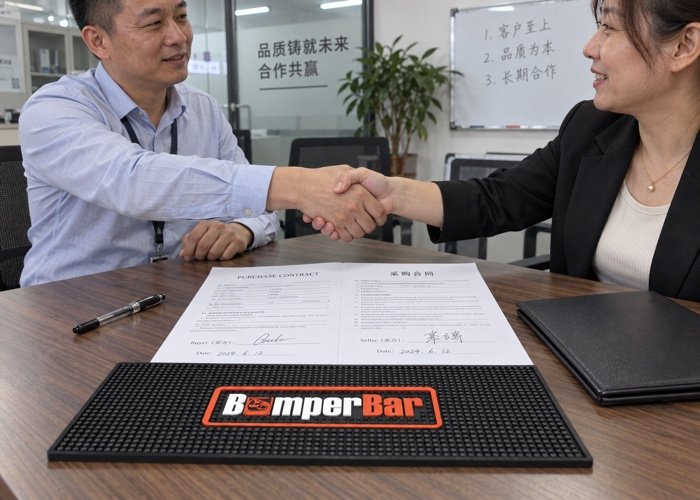
Dyk dybere: Anatomy of a Strong Purchase Contract
Your purchase contract should be comprehensive and leave no room for ambiguity. It should reference all prior agreements, including the quotation and the approved sample. Think of it as the master document for the entire project.
Key clauses to include in your contract:
| Section | What to Include | Why It's Important |
|---|---|---|
| Product Specs | A detailed list of all specifications: materiale, størrelse, farver, weight, artwork file name, and special features. Reference the approved sample. | Ensures the factory produces the exact product you approved. |
| Price & Payment | Unit price, total order value, mold fees, and payment terms (f.eks., 30% deposit, 70% balance before shipment). | Locks in the financial agreement and prevents unexpected price hikes. |
| Production Timeline | The exact lead time for mass production in working days, starting from the date of deposit payment and sample approval. | Sets a clear deadline and provides grounds for recourse if there are delays. |
| Quality Standards | Defines acceptable quality levels (AQL), inspection criteria, and references the approved "golden sample" as the benchmark. | Prevents disputes over what constitutes a "defect." |
| Packaging Details | Specifies inner and outer packaging, carton markings, and any required labels or barcodes. | Ensures your product arrives safely and is ready for your distribution channels. |
| Shipping Terms | Clearly state the Incoterm (f.eks., FOB Shenzhen, EXW Dongguan). This defines who is responsible for shipping costs and risks at each stage. | Avoids confusion over shipping arrangements and liabilities. |
| Penalty Clause | Outlines consequences for major delays or failure to meet quality standards, such as discounts or rework at the factory's expense. | Gives you leverage and incentivizes the factory to perform as agreed. |
I always advise clients to have the contract written in both English and Chinese to ensure complete clarity on both sides.
Scene 6: What Happens After You Pay the Deposit?
Once the contract is signed and the deposit is paid, the factory's gears start turning. Imidlertid, this isn't a "set it and forget it" phase. A lack of follow-up can lead to your order being deprioritized or small issues going unnoticed until it's too late.
This stage involves active production management. It requires consistent communication with your supplier to monitor progress, track milestones, and ensure the production schedule stays on track.
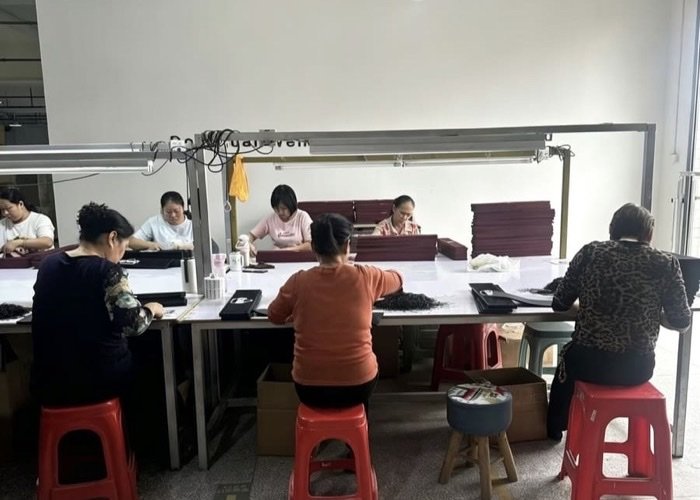
Dyk dybere: Proactive Production Monitoring
Once we receive your deposit, your order is officially entered into our production schedule. The typical mass production lead time is 20–30 days. Here’s what happens behind the scenes and how you can stay involved:
- Material Preparation: We procure and prepare the large batches of raw materials (PVC, silikone, osv.) needed for your entire order.
- Production Scheduling: Your job is assigned a specific production line and timeframe.
- Manufacturing Kick-off: The production process begins, following the same steps as the sample but on a massive scale.
How to effectively manage this phase:
- Request a Production Schedule: Ask for key milestones, such as "material preparation complete," "50% production complete," and "production finishing."
- Schedule Regular Check-ins: A brief weekly email or message to ask for a status update and photos is perfectly reasonable. This keeps your project top-of-mind for the factory's sales representative. As a manufacturer, we appreciate this engagement as it helps us catch any potential issues early.
- Ask for In-Production Photos: Requesting photos from the production line is a great way to verify that work is underway and that the products look consistent with the sample. It’s a simple but effective form of remote quality control.
Proactive follow-up shows the factory you are an engaged and serious partner. It helps build a better relationship and ensures no surprises arise when the final inspection date nears.
Scene 7: What Is Involved in Pre-Shipment Inspection for Sourcing Mats from China?
Your order is complete! But how can you be sure that the 10,000th mat is the same quality as the golden sample you approved? Assuming everything is perfect without checking is a costly risk. If you find defects after the goods have been shipped and delivered, it's incredibly difficult and expensive to fix the problem.
A pre-shipment inspection (PSI) is your last line of defense. It involves checking a random sample of the finished goods at the factory before you pay the final balance. This is a crucial step in any plan for sourcing mats from China.
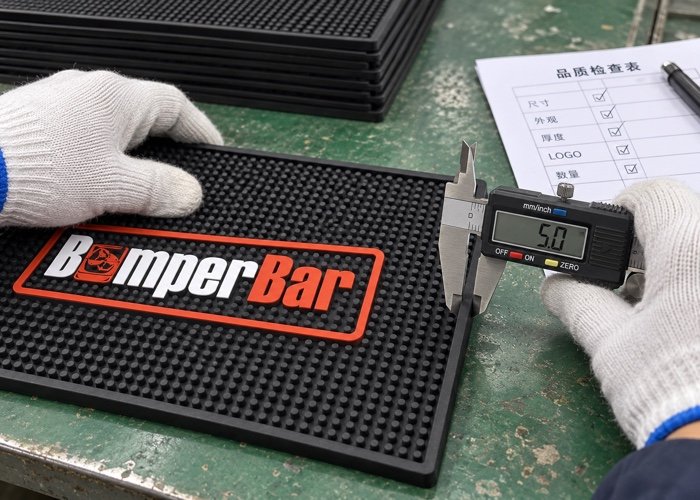
Dyk dybere: Your Final Quality Gate
The goal of a PSI is to catch any quality issues before the products leave the factory. You have two main options for conducting an inspection:
- Hire a Third-Party Inspection Company: Services like QIMA, SGS, or Bureau Veritas have inspectors throughout China who can visit the factory on your behalf. They follow a standardized checklist and provide a detailed report with photos and findings. This is the most common method for overseas buyers.
- Rely on the Factory's Internal QC: A good factory will have its own robust quality control department. Hos SuperfectCraft, every single mat undergoes a final inspection by our QC team before being packed. We check for visual defects, dimensional accuracy, color consistency, and proper logo formation. We are also happy to accommodate third-party inspectors.
What does an inspector check?
- Quantity: Is the total number of cartons and units correct?
- Workmanship: Are there any defects like air bubbles, scratches, incorrect colors, or blurry logos?
- Specifikationer: Do the dimensions, weight, and colors match the contract and the approved sample?
- Emballage & Labeling: Are the mats packed correctly? Are the shipping marks on the cartons accurate?
- On-Site Tests: Simple function tests like checking for flatness or testing the anti-slip properties.
If the inspection report shows significant issues, you have leverage. Because you haven't paid the final balance, you can demand that the factory reworks or replaces the defective units before shipment.
Scene 8: How Are Final Payment and Shipping Handled?
Your goods have passed inspection, and now it's time to get them home. This final logistical phase can seem complex, with its own set of documents, payments, and partners. Mismanaging this step can lead to shipping delays, customs problems, and unexpected fees.
Once you approve the inspection report, you'll pay the remaining balance on your order. The factory will then release the goods to your designated shipper (or "freight forwarder") to begin the journey to your warehouse.
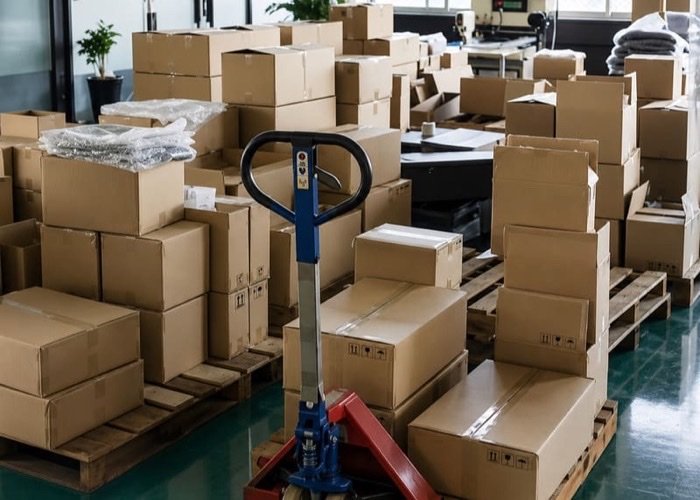
Dyk dybere: Navigating Logistics and Freight
This stage is a coordinated effort between you, the factory, and your freight forwarder.
1. Final Balance Payment: After you receive and approve the satisfactory pre-shipment inspection report, you'll wire the final balance payment (f.eks., the remaining 70%) to the factory. Once they receive the funds, they will officially release the cargo.
2. Choosing a Freight Forwarder: A freight forwarder is a company that manages the entire shipping process for you. They handle booking space on a ship or plane, customs clearance in both China and your country, and final delivery. You can find them through online platforms like Flexport or Freightos, or by asking for recommendations.
3. Understanding Incoterms: The shipping terms (Incoterms) defined in your contract determine who is responsible for what. The most common are:
- EXW (Ex Works): You are responsible for everything, including picking up the goods from our factory in Dongguan.
- FOB (Free On Board): We are responsible for delivering the goods to the designated Chinese port (f.eks., FOB Shenzhen). Your forwarder takes over from there. This is the most popular option for buyers who have their own forwarder.
- DDP (Delivered Duty Paid): The factory (or their forwarder) handles everything, including shipping, customs, and duties, delivering the goods directly to your door. It's the simplest option but often more expensive.
4. Essential Shipping Documents: The factory will provide your forwarder with key documents required for customs clearance:
- Commercial Invoice: Details the transaction.
- Packing List: Shows the contents, weight, and dimensions of each carton.
- Bill of Lading (for sea freight) or Air Waybill (for air freight): The contract between you and the shipping carrier.
Clear communication with your factory and forwarder is key to a smooth shipping experience.
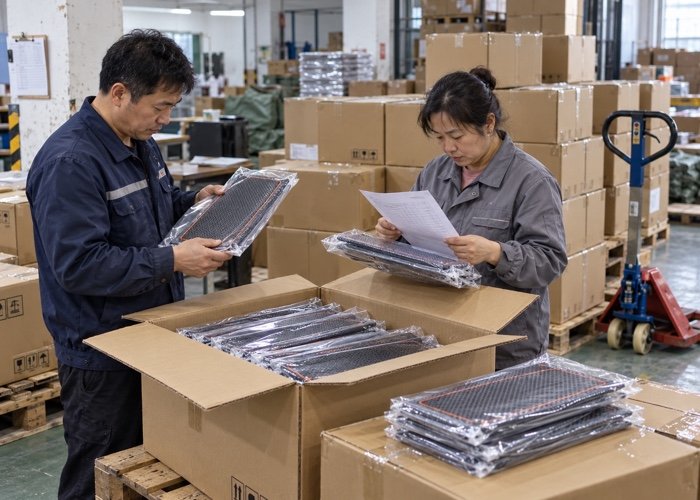
Scene 9: What Should You Do Upon Receiving Your Shipment?
The container has arrived at your warehouse, and the boxes are unloaded. The temptation is to simply stack them and move on to the next task. Imidlertid, this is your last chance to verify the order before the transaction is truly complete. What if there was damage during transit or a hidden issue missed during inspection?
Upon receiving the goods, you should conduct a final incoming quality check and formally receive the products into your inventory system. This closes the loop on the procurement process.
Dyk dybere: The Final Check and Reconciliation
While the pre-shipment inspection should catch most issues, a final check is still good practice. Shipping can be rough, and it's important to confirm you got what you paid for.
Your Receiving Checklist:
- Count the Cartons: Does the number of boxes match the packing list?
- Inspect for Transit Damage: Check for crushed corners, water damage, or broken pallets. Take photos of any damage before signing the delivery receipt from the carrier, as this is needed for an insurance claim.
- Spot-Check the Product: Open a few random boxes from different parts of the shipment. Pull out a few mats and compare them one last time against your golden sample. Check for any issues that might have occurred during the long sea journey.
- Receive into Inventory: Once you're satisfied, formally receive the goods into your inventory management system.
- Settle the Final Invoice: Ensure all payments align with the commercial invoice from the factory and close out the transaction in your accounting system.
If you do find a significant issue, contact your supplier immediately with clear photos and a description of the problem. A good partner will work with you to find a fair solution.
Scene 10: How Do You Manage Long-Term Supplier Relationships?
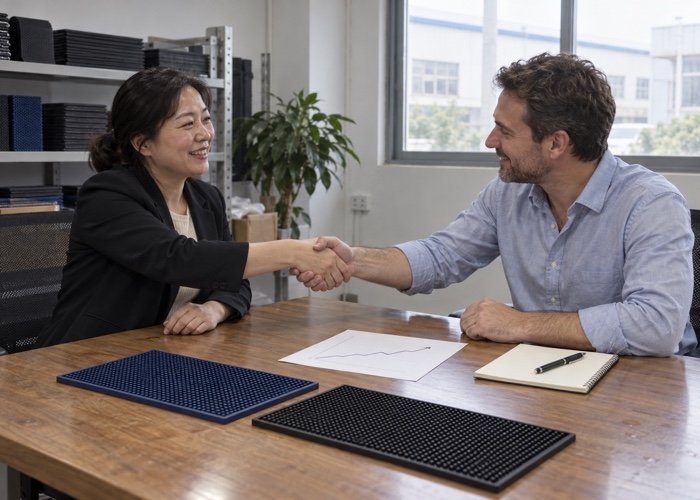
Your first successful order is complete. Now what? Treating the relationship as a one-time transaction is a missed opportunity. Finding a great supplier is hard work; keeping one is smart business. A strong, long-term relationship can lead to better pricing, priority production scheduling, and collaborative product development.
The final stage is about post-sale service and supplier management. This involves providing feedback, rating their performance, and planning for future repeat orders.
Dyk dybere: From Supplier to Partner
The best results in sourcing mats from China come from partnerships, not transactional relationships. After your order is complete, take these steps to build a foundation for future success:
- Provide Feedback: Let your supplier know what went well and what could be improved. Did the communication meet your expectations? Was the sample process smooth? This feedback helps us improve our service for your next order.
- Create a Supplier Scorecard: For businesses that source regularly, it’s helpful to formally rate your suppliers on key metrics like quality, on-time delivery, communication, and price. This data-driven approach helps you decide who to work with on future projects.
- Discuss Future Plans: Share your product roadmap or forecast for the next 6–12 months. If we know you plan to reorder a certain mat in three months, we can better manage our raw material inventory and potentially offer better terms.
- Plan Your Reorder: Don't wait until you're out of stock to reorder. Remember the lead times: about 7 days for a sample (if needed) and 20–30 days for production, plus 30+ days for shipping. Start the process at least 2-3 months before you need the new inventory.
Hos SuperfectCraft, our goal isn't just to complete one order. It's to become your trusted OEM/ODM partner for all your custom mat needs for years to come.
Ofte stillede spørgsmål
Hvad er den mindste ordremængde (MOQ) til tilpassede måtter?
Vores standard MOQ er 200 styk pr design, pr farve, især ved brug af en af vores mange eksisterende forme. For highly customized projects requiring a brand-new, complex mold, MOQ kan være højere. We can discuss the specific requirements for your project to find the best solution.
How long does production and shipping take?
Typically, sample production takes about 7 dage. Once you approve the sample, mass production takes between 20 og 30 dage. Sea freight from China to the US or Europe usually takes an additional 30–40 days. So, from order confirmation to final delivery, you should plan for a total lead time of approximately 2–3 months.
Can you help if I don't have a professional design file?
Absolut. Many of our clients are brand owners or importers who have a great idea but not a design team. You can provide us with your logo, desired dimensions, and a basic concept. Our team will create a professional 2D or 3D design sketch for your approval within 24 timer, completely free of charge.
What's the difference between PVC, silikone, and rubber mats?
PVC is the most popular material for bar and barber mats because it's cost-effective, holdbar, and excellent for creating vibrant, detailed 2D or 3D logos. Silicone is prized for its high heat resistance and food-safe properties (FDA/LFGB compliant), making it ideal for tool mats or food-service areas. Rubber is extremely durable and heavy, offering superior anti-slip properties for industrial or high-traffic applications.
Konklusion
Successfully sourcing mats from China is not about luck; it’s about following a methodical, ten-stage process. By starting with clear requirements, diligently verifying your factory, using a physical sample as your quality standard, and formalizing everything in a contract, you remove the guesswork and mitigate the biggest risks. From managing production to inspecting the final product, each step gives you more control and ensures the final product matches your vision perfectly. This structured approach transforms a potentially complex endeavor into a reliable and profitable part of your supply chain.
Ready to start your custom mat project with a partner you can trust? Contact us today for a free design sketch and a no-obligation quote.
Whatsapp: +86 15816822766 E-mail: sales01@superfectcraft.com Website Contact: https://babarmat.com/contact/