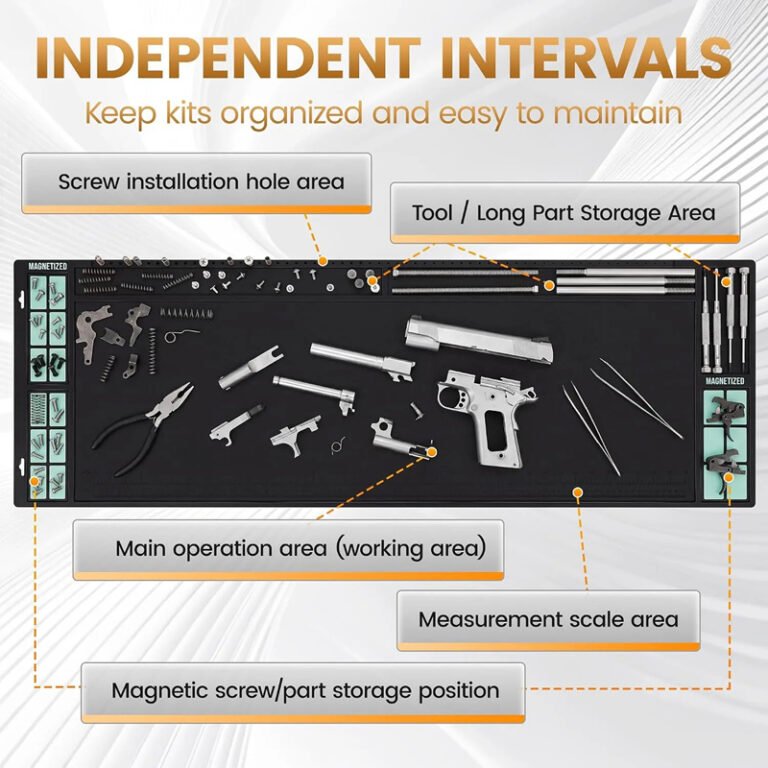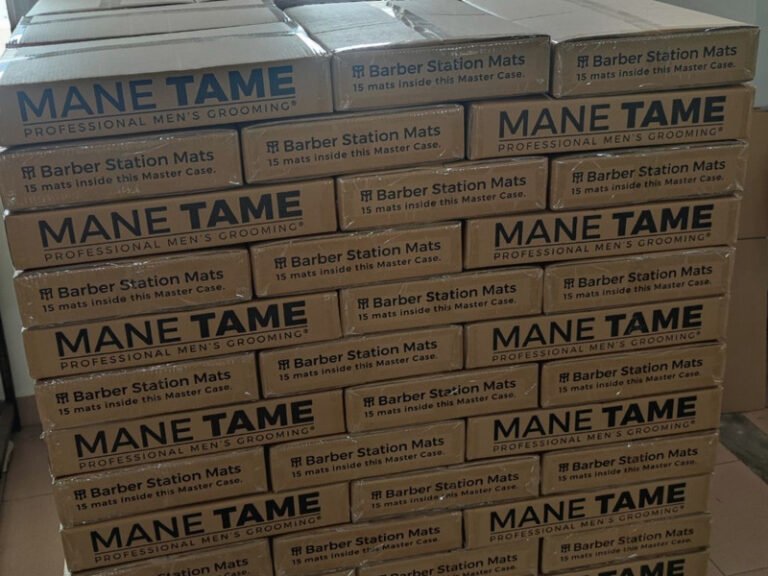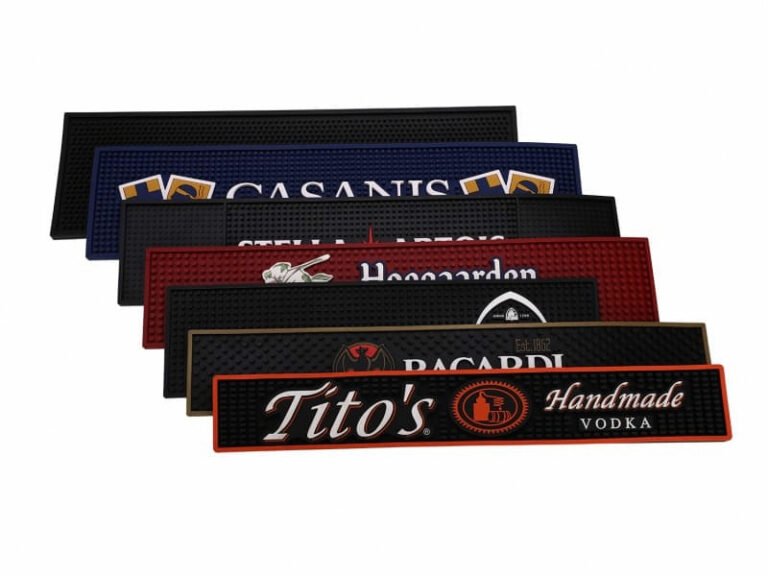

Sourcing custom products internationally can feel like a major hurdle for your business. The prospect of navigating foreign suppliers, complex logistics, and customs regulations often causes brands to stick with expensive local options. The solution is a clear, repeatable process that transforms importing from a risk into a strategic advantage, giving you access to quality manufacturing at a competitive price.
To import mats from China, you must first secure an import registration number (like an EORI in the EU) and identify local compliance standards. Próximo, partner with a source factory, sign an OEM contract, and approve a pre-production sample. Once production is complete and inspected, your factory will handle export documentation while you arrange for a freight forwarder and customs broker to manage shipping, duties, and final delivery.

This overview provides the roadmap, but success lies in the details of each step. Getting these stages right is the difference between a smooth, profitable transaction and a costly logistical headache. Let's break down this seven-step framework to give you the confidence to start sourcing.
How Do You Handle Import Registration and Compliance Standards?
Before you even contact a supplier, you have a critical piece of homework to do in your own country. Many businesses get excited about product design and forget that legal and customs requirements come first. Failure to prepare here can stop your shipment in its tracks before it ever leaves China.
The first step is securing the necessary business credentials to legally import goods. This is followed by identifying the specific material safety and compliance standards your product must meet to be sold in your target market.
Mergulhe mais fundo: Setting the Foundation for a Smooth Import
Your journey to import mats from China begins at home. Without the right legal framework, your goods will be stuck at the port, accumulating fees.
Get Your Import Credentials in Order
Every country or economic bloc has a system for tracking commercial imports. You must register your business to get the right identifier.
- For the European Union: You will need an Economic Operators Registration and Identification (EORI) number. This is mandatory for all businesses importing goods into the EU. You can typically apply for this through your country's customs authority website.
- For the United States: Your business needs a tax identification number, which is usually your Employer Identification Number (EIN). For individuals or sole proprietors, a Social Security Number (SSN) can sometimes be used, but an EIN is standard for commercial importers. You will also need to complete a Customs and Border Protection (CBP) Form 5106.
Define Your Market's Compliance Needs
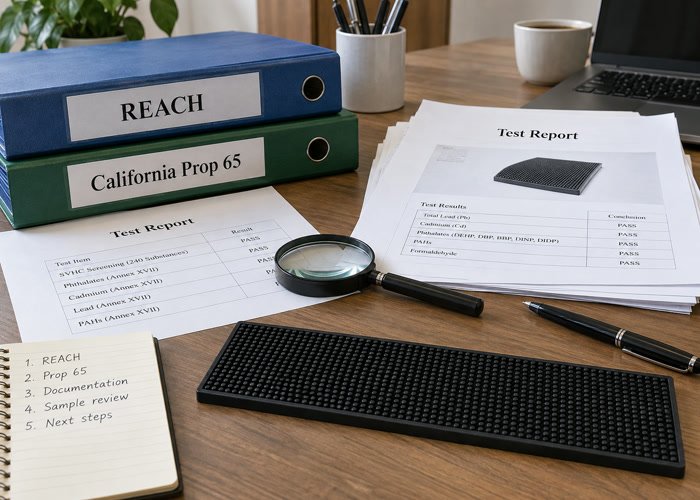
The materials used in your mats—PVC, silicone, rubber—are subject to chemical and safety regulations. These vary dramatically by region. It is your responsibility as the importer to tell your manufacturer which standards to meet.
Here are some of the most common ones we encounter:
| Regulation | Region | What It Covers |
|---|---|---|
| ALCANÇAR / SVHC | European Union | Restricts Substances of Very High Concern (SVHC) in products. |
| RoHS | European Union | Restricts specific hazardous materials found in electrical and electronic products. |
| LFGB / FDA | UE / EUA | Standards for food-grade materials that may come into contact with consumables. |
| California Prop 65 | EUA (Califórnia) | Requires warnings for products containing chemicals known to cause cancer or birth defects. |
| Ftalatos & PAHs | Global | Regulations limiting specific plasticizers (ftalatos) and polycyclic aromatic hydrocarbons (PAHs). |
Na SuperfectCraft, we can manufacture products to meet any of these standards. No entanto, testing is always done by a third-party lab based on the specific material, cor, and production method. Informing us of your requirements at the beginning of the project is essential for accurate quoting and production planning.
What's the Best Way to Select a Chinese Factory for Importing Mats from China?
Your choice of partner in China will define the success of your entire project. You may be tempted by the lowest price on a B2B platform, but this often leads to working with trading companies who add markups and have little control over production. The key is to find and vet a true source factory.
To properly select a factory, you must verify they are the direct manufacturer, not a middleman. This involves signing a clear OEM contract and a Non-Disclosure Agreement (NDA) to protect your intellectual property, and explicitly defining all material, quality, and testing requirements in writing.

Mergulhe mais fundo: Partnering with a True OEM/ODM Manufacturer
Finding a reliable partner is the most important relationship you'll build in this process. A great factory acts as an extension of your own team.
Source Factory vs. Trading Company
A source factory (like us at SuperfectCraft) owns the equipment, employs the workers, and controls the production process from raw materials to finished goods. A trading company is a reseller; they take your order and subcontract it to one or more factories.
Why work directly with a factory?
- Better Pricing: You avoid the trading company's markup.
- More Control: You have a direct line of communication with the people making your product, allowing for better customization and quality control.
- Greater Transparency: You know exactly where your product is being made and what materials are being used.
- Technical Expertise: We have engineers who understand material science and structural design, helping you create functional mats with features like anti-slip surfaces, canais de drenagem, or magnetic sections.
A simple way to vet a supplier is to ask for a virtual factory tour or specific photos of their production lines. A true manufacturer will be happy to oblige.
The Importance of Contracts (OEM & NDA)
Never start a project based on a verbal agreement or a simple chat message. Formal contracts are your protection.
- Non-Disclosure Agreement (NDA): Before you share your logo, designs, or any proprietary information, have the factory sign an NDA. This legally prevents them from sharing your designs with other clients or using them for their own purposes.
- OEM/Manufacturing Agreement: This is the master document for your project. It should clearly outline:
- Product Specifications: Dimensões, materiais (por exemplo, "food-grade silicone," "REACH-compliant PVC"), cores (using Pantone codes), and logo placement.
- Quality Standards: Acceptable defect rates (AQL - Acceptance Quality Limit).
- Testing Requirements: Specify which third-party tests are needed (por exemplo, "SGS testing for Prop 65").
- Pricing and Payment Terms: Usually a 30-50% deposit and the balance paid before shipment.
- Lead Times: For both samples (7 days for us) and mass production (20–30 days).
- Embalagem: Details on individual polybags, master cartons, and shipping marks.
This contract ensures both parties are aligned on every detail before a single dollar is spent on production.
Why Is the Sample and Pre-Production Process So Important?
You would never launch a product you haven't seen or touched. Yet, some importers try to save time by skipping the sample stage, which is a recipe for disaster. This stage is your single best tool for ensuring the final shipment matches your expectations.
The sample process allows you to approve the "golden sample"—a physical benchmark for quality, cor, and construction. This involves approving the sample, paying the deposit to start mass production, and conducting a final inspection before the goods ship.
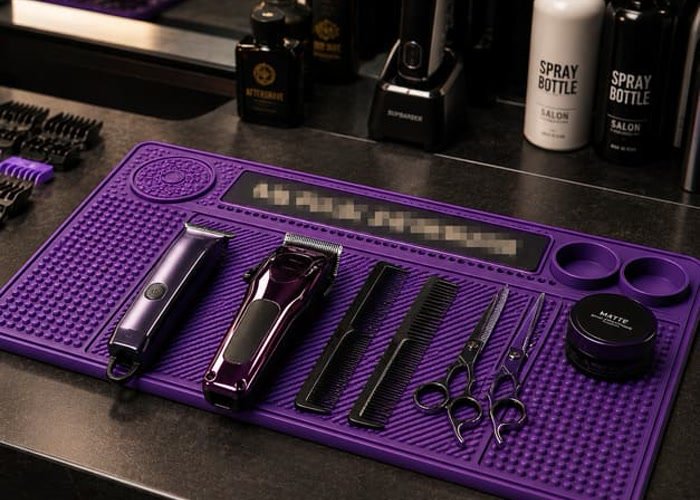
Mergulhe mais fundo: From Digital Design to Physical Product
This is where your idea becomes tangible. A rigorous sampling and inspection plan prevents costly surprises down the line. It's a cornerstone of how we ensure quality when you import mats from China with us.
H3: The "Golden Sample" Aprovação
Once we receive your logo and dimension requirements, our team creates a 24-hour design sketch for your approval. This digital proof confirms layout and scale. After you approve the sketch, we move to physical sampling.
The steps are meticulous:
- Combinação de cores: We mix pigments to match your specified Pantone codes.
- Mold Creation: We either use an existing mold from our large library (saving you time and money) or create a new one for a unique shape.
- Dispensação & Moldagem: Our machinery injects the colored PVC, silicone, or rubber into the mold.
- Curing & Demolding: The mat is cured in an oven and then carefully removed from the mold.
- Inspeção: The sample is inspected for defects, precisão de cores, and dimensional correctness.
We then ship this "golden sample" to you for final approval. You can touch it, test it, and ensure it's exactly what you want. Mass production will not begin until we have your written approval of this sample.
H3: Deposit Payment and Pre-Shipment Inspection (PSI)
With the sample approved, you'll transfer the deposit (typically 30-50%) to kick off mass production. We will manufacture the entire order to the exact standard of the golden sample.
Before the final balance is paid, a Pre-Shipment Inspection (PSI) is crucial. You have two options:
- Factory Inspection: We conduct a final inspection and send you a detailed report with photos and videos.
- Third-Party Inspection: You can hire an independent inspection company (like QIMA, SGS, or AsiaInspection) to visit our factory and perform a random audit of the finished goods. They will check against a pre-agreed AQL checklist.
Only after you are satisfied with the inspection results should you pay the final balance. This practice aligns everyone's incentives toward achieving high quality.
What Documents Are Needed to Export and Import Mats from China?
A shipment of goods doesn't move without a paper trail. Missing or incorrect documents are one of the most common reasons for customs delays, fines, and even seizure of goods. The process is standardized, but you need to know which documents to ask for.
Your Chinese factory is responsible for providing a full set of export documents. This includes the Commercial Invoice, Packing List, and Bill of Lading. You will also need any required compliance certificates and a Certificate of Origin if you want to claim preferential tariff rates.

Mergulhe mais fundo: The Paperwork That Moves Your Goods
Think of these documents as your product's passport. Each one serves a specific purpose for customs authorities in both China and your home country. As your manufacturing partner, we prepare these as a standard part of our service.
Here's a breakdown of the essential paperwork:
- Commercial Invoice: This is the bill for your goods. It details the seller (us), the buyer (you), a description of the products, the quantity, the unit price, the total value, and the incoterms (por exemplo, FOB, EXW). Customs officials use this to determine the duties and taxes owed.
- Packing List: This document itemizes the contents of your shipment. It includes details like the number of cartons, the weight and dimensions of each carton, and the total volume. It helps customs verify the shipment's contents without having to open every single box.
- Bill of Lading (B/L) or Air Waybill (AWB): This is the contract between the shipper (us) and the carrier (the shipping line or airline). It serves three purposes:
- A receipt for the goods.
- Evidence of the contract of carriage.
- A document of title, meaning whoever holds the original B/L has the right to claim the goods at the destination.
- Certificate of Origin (CO): This document certifies that the goods were manufactured in China. It is sometimes required by customs and can be necessary to claim benefits under certain trade agreements that might offer lower tariff rates.
- Testing & Compliance Certificates: If your product required third-party testing (por exemplo, for REACH or FDA compliance), the lab reports must be included with the shipping documents.
Ensuring this document package is complete and accurate is a shared responsibility, but we guide our clients through it every step of the way to facilitate a smooth import of mats from China.
How Does the International Shipping Process Work?
Once your mats are manufactured, inspected, and packed, they need to be transported from our factory in Dongguan to your warehouse. This is where freight forwarding comes in. It's a specialized field, and attempting to manage it yourself is not recommended.
The shipping process involves your freight forwarder booking space on a vessel or aircraft, the factory delivering the goods to the port, and clearing China export customs. Critically, advance declarations like ISF for the US or ENS for the EU must be filed before the ship sails.
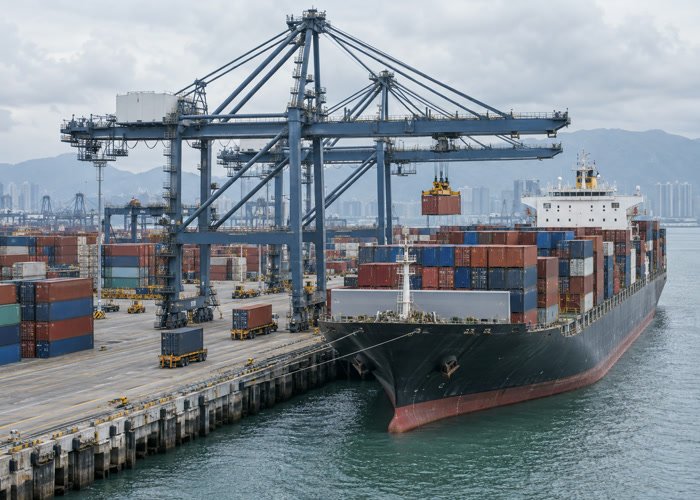
Mergulhe mais fundo: From Factory Floor to the High Seas
You don't need to be a logistics expert, but understanding the key milestones will help you track your shipment and plan your inventory.
Choosing a Freight Forwarder and Incoterms
A freight forwarder is your logistics agent. They don't own the ships or planes, but they coordinate the entire journey. You should choose a forwarder based in your country, as they will be experts in your local customs procedures.
O Incoterm you agree upon in your contract determines who is responsible for what. The most common are:
- EXW (Ex Works): You are responsible for everything, including picking up the goods from our factory gate. This gives you total control but is complex.
- FOB (Free On Board): This is the most popular choice. We are responsible for producing the goods and delivering them to the designated Chinese port (por exemplo, FOB Shenzhen). You take over responsibility once the goods are loaded onto the vessel. Your forwarder handles the ocean freight and everything after.
The Export and Transit Journey
Once you choose the FOB incoterm, the process looks like this:
- Booking: Your forwarder books space on a container ship.
- Trucking to Port: We arrange for a truck to transport your packed cartons from our factory in Dongguan to the port of Shenzhen or Guangzhou.
- China Export Customs: We handle the export declaration, submitting the commercial invoice and packing list to Chinese customs.
- Advance Manifest Filing (Crucial!):
- For US-bound shipments: Your forwarder must file the Importer Security Filing (ISF 10+2) at least 24 horas before the cargo is loaded onto the vessel. Failure to do so results in a $5,000 fine.
- For EU-bound shipments: An Entry Summary Declaration (ENS) must be filed at the first EU port of entry, also 24 hours before loading.
- Sailing: The container is loaded, and the ship begins its journey. Ocean transit time can range from 15 dias (to the US West Coast) para 30-40 dias (to the US East Coast or Europe). Your forwarder will provide you with tracking information.
What Happens During Customs Clearance at the Destination Port?
Your mats have crossed the ocean and arrived at a port in your country. No entanto, they aren't yours yet. The final major hurdle is clearing customs, which involves declaring the goods and paying the applicable taxes and duties. This is a formal process that requires precision.
Upon arrival, your designated customs broker (often part of your freight forwarding service) files an import declaration with the national customs authority. They use your shipping documents to calculate and facilitate the payment of import duties and taxes (like VAT or GST), after which customs will release the cargo.

Mergulhe mais fundo: The Final Gateway to Your Warehouse
This stage is managed entirely in your home country. A good customs broker is worth their weight in gold, as they ensure compliance and prevent costly delays.
The Role of the Customs Broker
Your customs broker is a licensed professional who acts as your agent with the country's customs agency (por exemplo, CBP in the US, HMRC in the UK). Their job is to:
- Classify Your Product: They use the Harmonized System (HS) code to classify your mats. The HS code determines the rate of import duty. For example, PVC mats might fall under a different code than rubber mats.
- Prepare the Entry Declaration: They compile all your documents (Commercial Invoice, Packing List, B/L) and submit a formal customs entry.
- Calculate Duties & Taxes: Based on the product's HS code and the value on the commercial invoice, they calculate the total amount owed. This includes:
- Import Duty (Tariff): A percentage of the product's value. This can vary based on trade relations with China.
- Value Added Tax (VAT) or Goods and Services Tax (GST): A tax on the total value of the goods plus the shipping cost and duty. In many countries, this VAT can be claimed back by registered businesses.
- Other Fees: Such as Merchandise Processing Fee (MPF) in the US.
- Facilitate Payment and Release: They arrange for the payment of all duties and taxes. Once paid, customs will issue a release, allowing your goods to leave the port.
Potential for Inspections
While most shipments clear electronically, customs authorities reserve the right to perform a physical inspection. An exam can range from a simple X-ray of the container to a "full strip" where they unload and inspect the contents. This is why having your paperwork in perfect order is so important—it reduces the likelihood of being flagged for an inspection. Any discrepancies between your documents and the physical goods can lead to significant fines and delays.
What Are the Final Steps After Your Mats Arrive?
Your shipment has been released from customs, but the process isn't quite over. The final leg involves moving the goods from the port to your facility and conducting one last, vital check to ensure you received exactly what you paid for.
The final steps are arranging domestic transport to your warehouse, conducting a receiving inspection to verify the quantity and quality against your approved "golden sample," and properly archiving all transaction documents for at least seven years for tax and legal purposes.
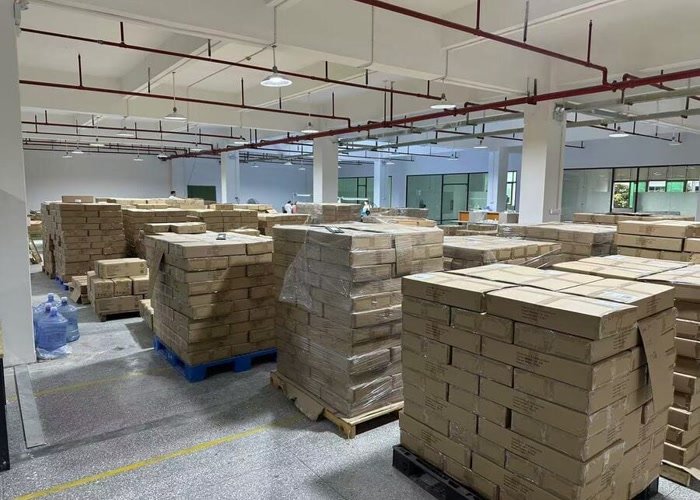
Mergulhe mais fundo: Receiving, Verifying, and Archiving
Completing these last actions diligently closes the loop on a successful import project and sets you up for future success.
Domestic Delivery (Drayage)
Once customs-cleared, your container is moved from the port terminal to a local warehouse to be unloaded. This process is called drayage. From there, the cartons are typically palletized and loaded onto a standard truck for final delivery to your business address or a third-party logistics (3PL) warehouse. Your freight forwarder will coordinate this entire "last mile" delivery for you.
The All-Important Receiving Inspection
As soon as the goods arrive, your team should perform a receiving inspection. Do not just sign the delivery receipt and put the boxes away. You need to verify:
- Quantity: Do a spot check to ensure the carton count is correct and the number of units per carton matches the packing list.
- Qualidade: Open several random boxes and pull out a few mats. Compare them directly against the golden sample you approved months ago. Are the colors correct? Is the logo sharp? Is the material feel the same? Are the dimensions accurate?
- Damage: Check for any signs of shipping damage to the cartons or the products inside.
If you find any major discrepancies, document them with photos immediately and contact both your supplier (us) and your freight forwarder. Your OEM contract should outline the procedure for handling defects. Because you performed a pre-shipment inspection, major surprises at this stage are rare but it's a critical final check.
Document Archiving
The import process generates a mountain of paperwork. It is critical that you create a digital (and perhaps physical) file for each shipment and store it securely. This file should include:
- The OEM Agreement and NDA
- All Purchase Orders
- Commercial Invoice and Packing List
- Bill of Lading
- Proof of payment (wire transfer receipts)
- Customs Entry Declaration
- Proof of duty/tax payment
You typically need to keep these records for 5-7 years, depending on your country's tax laws. They are essential for audits and provide a complete history of your cost of goods sold.
Perguntas frequentes
How long does it take to import mats from China?
The total time is typically 2 para 3 months. This includes sample production (about 7 dias), mass production (20–30 days), ocean freight (20–40 days), and customs clearance plus final delivery (5–10 days). Planning ahead is key.
Qual é a quantidade mínima de pedido (Quantidade mínima) para tapetes personalizados?
Our standard MOQ at SuperfectCraft is 200 pieces per design and color, especialmente ao usar um dos nossos muitos moldes existentes. This allows us to offer competitive pricing for OEM production while maintaining high-quality standards. For fully custom molds, o MOQ pode ser maior.
Can I get my company's logo and custom colors on the mats?
Absolutamente. That is our specialty. We are an OEM/ODM manufacturer focused on private-label production. You provide the artwork and Pantone color codes, and we will create a design sketch for your approval before producing a physical sample. We can customize the logo, cor, tamanho, textura, and even the packaging.
What are the standard payment terms when importing from China?
The industry standard, and our typical process, is a Telegraphic Transfer (T/T). This involves a 30-50% deposit payment to begin mass production after sample approval, with the remaining balance due upon completion of the order, usually after a successful pre-shipment inspection and before the goods are shipped.
Conclusão
Successfully navigating how to import mats from China is not about luck; it's about following a structured, seven-step process. By starting with legal and compliance groundwork, carefully selecting a true factory partner, and managing the sample, documentation, and logistics stages with diligence, you can turn global sourcing into a powerful tool for your brand. This framework demystifies the process, mitigates risk, and allows you to access high-quality, cost-effective manufacturing for your custom bar, barber, or tool mats.
If you're ready to create custom mats that elevate your brand, our team at SuperfectCraft is here to help guide you through every step.
Ready to start your project? Contate-nos hoje para um esboço de design gratuito e um orçamento sem compromisso.