
Choosing the right bar mat supplier for your brand can feel like a high-stakes decision. The wrong partnership can lead to costly communication breakdowns, missed deadlines, and a final product that doesn't live up to your vision. It's a choice that can either accelerate your brand's growth or stall it with frustrating quality issues. The key is to understand your options and align them with your specific business goals.
To choose the right partner, you must understand the core differences. A factory is the direct manufacturer, offering maximum control and OEM capabilities. A trading company is a reseller that sources from factories but lacks production oversight. A sourcing agent is a local representative who finds and manages factories on your behalf for a fee.
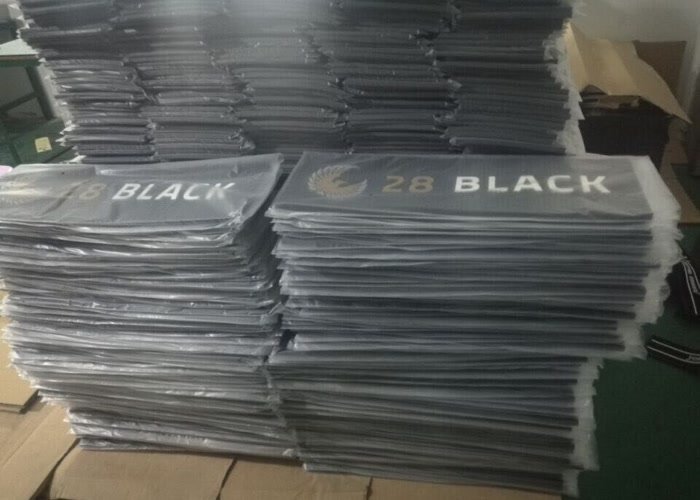
Jetzt haben Sie einen allgemeinen Überblick, the details are what truly matter. The best choice for a small promotional giveaway is rarely the best choice for a global beverage brand's private-label product line. Let’s dive deep into the pros, cons, and ideal use cases for each type of partner.
Should You Partner Directly with a Bar Mat Factory?
You're aiming for a unique, high-quality custom product and want the best possible price. The idea of going directly to the source is appealing, but you might worry about the complexity. Is it too difficult to manage?
For brands serious about customization, quality, and long-term value, partnering directly with a bar mat factory is almost always the superior choice. It provides unmatched control over the final product, from mold creation to material specifics, ensuring your vision is executed perfectly.

Diving Deeper into the Factory-Direct Model
Working directly with a manufacturer like SuperfectCraft removes intermediaries, creating a clear and efficient path from concept to finished product. This model is built for brands that see their bar mats not just as accessories, but as integral parts of their brand identity.
Unmatched OEM/ODM Capabilities
A true factory possesses the complete set of tools and expertise for custom manufacturing. This isn't just about putting a logo on a generic mat; it's about building your product from the ground up.
- Mold Creation: We have our own mold-making department. This means we can create an exclusive mold for your unique design, with complex features like multi-level 3D embossing. We can sign mold confidentiality agreements to ensure your design remains yours alone, and we retain the mold for future production runs.
- Material & Finish Control: You get direct input on the raw materials, whether it's durable PVC, flexible silicone, or eco-friendly TPE. Want a specific Pantone color? A matte finish to reduce glare? Or even a UV-reactive fluorescent effect for a nightclub promotion? A factory has the technicians who can achieve these precise specifications.
- Integrated Testing: We conduct in-house quality checks at every stage, from material mixing to final demolding. This proactive approach catches potential issues before they become major problems, which is something an intermediary simply cannot do.
The Power of Direct Communication
Meiner Erfahrung nach, 90% of production errors come from poor communication. When you work with a trading company, your feedback goes through a game of telephone. You tell your sales contact, who tells their contact at the factory, who then relays it to the engineer. Every step is a chance for misinterpretation.
Direct-to-factory communication is a game-changer. When you request a change—say, to make the debossed channels 1mm deeper for better drainage—you are speaking with the team that will actually make that change. This leads to:
- Faster Revisions: Changes to design sketches or samples happen in days, not weeks.
- Fewer Errors: Nuances are not lost in translation.
- Technical Problem-Solving: If a design element is proving difficult to produce, you can collaborate directly with the engineers to find a workable solution that maintains your design intent.
A More Transparent Cost Structure
Working with a factory eliminates the hidden markups charged by middlemen. The price you are quoted is a direct reflection of the costs of tooling, raw materials, and labor. This transparency allows for more strategic decision-making. Zum Beispiel, you can see exactly how much you'd save per unit by increasing your order quantity, allowing for better budget planning and margin calculation.
| Besonderheit | Factory Direct |
|---|---|
| Am besten für | OEM, Private Label, Volume Buyers |
| Kosten | Lowest (Direct Pricing) |
| Control | Maximum |
| IP Protection | High (with Mold NDAs) |
| Expertise | Deep Product & Process Knowledge |
When Does Using a Trading Company for Bar Mats Make Sense?
You're a promotional products distributor who needs 50 bar mats, 100 t-shirts, Und 200 keychains for a client's event next month. You want a single invoice and one company to handle everything. In this scenario, a trading company might seem like the perfect solution.
A trading company is most useful for buyers who prioritize convenience and product variety over customization and cost-effectiveness. They are essentially product resellers who excel at sourcing small quantities of various off-the-shelf items from different factories.

Diving Deeper into the Trading Company Model
Trading companies are generalists in a world that often rewards specialists. They build a business on aggregating products and simplifying procurement for their clients. While this has its place, it comes with significant trade-offs, especially for a custom product like a bar mat.
The Communication Gap and Process Ignorance
The biggest drawback is the trading company's lack of process knowledge. They are sales and logistics outfits, not manufacturers. I've seen this cause major issues for clients before they came to us.
A client wanted to adjust the "-mat-" portion of a "matte" finish on their bar mat, making it glossier for contrast. They told their trading company, which simply relayed "change the finish." The factory, lacking specific instruction, made the entire mat glossy. The error wasn't caught until 1,000 units arrived at the client's warehouse. This happened because the trader didn't understand the craft enough to ask the right questions or provide the correct technical guidance. With a factory, this would have been a simple conversation with the production manager.
Your Intellectual Property is at Risk
This is a critical point that many brands overlook. A trading company does not own any molds. When you pay for a "custom" mold through them, they are simply outsourcing the mold creation to a factory of their choosing.
- No Mold Exclusivity: They have no ability to sign or enforce a mold confidentiality agreement. The factory they used is free to use that same mold to produce mats for anyone else, including your direct competitors.
- Lack of Control: You have no say in which factory they use. They will often choose the cheapest option to maximize their margin, not the one with the best quality or security practices.
- No Long-Term Security: If you stop working with that trading company, you lose access to the mold you paid for.
The Hidden Costs
While a trading company might seem convenient, you pay for it. Their business model relies on buying low from a factory and selling high to you. This margin is often 15-30% or more, a significant markup on your total cost. Außerdem, if any quality issues arise, the lengthy communication chain makes resolving them slow and painful.
| Besonderheit | Handelsunternehmen |
|---|---|
| Am besten für | Small orders, wide product variety |
| Kosten | High (Includes hidden margin) |
| Control | Minimum |
| IP Protection | Niedrig |
| Expertise | General Sourcing & Logistics |
Is a Sourcing Agent the Best Type of Bar Mat Supplier for New Importers?
You're new to sourcing from China. You know a factory is probably the best value, but you don't know how to find a good one, navigate the language, or ensure you won't get ripped off. You need an expert on your side.
A sourcing agent can be an invaluable partner for new importers or companies tackling a complex project for the first time. They act as your "boots on the ground," using their local knowledge and industry expertise to find, vet, and manage the best bar mat supplier for your specific needs.

Diving Deeper into the Sourcing Agent Model
Think of a sourcing agent as a consultant you hire to manage the procurement process. A good agent is not a reseller; they work for you. Their goal is to find the best factory and ensure that factory executes your project flawlessly. They are your representative, your translator, and your quality controller all in one.
The Value of Vetting and Expertise
The internet is filled with thousands of suppliers, and it's difficult to distinguish a real factory from a clever trading company. An experienced sourcing agent who specializes in PVC or silicone products can cut through the noise.
- Factory Audits: They can visit factories in person, verify their equipment, check their business licenses, and assess their quality control systems.
- Process Knowledge: As the initial insights suggested, a good agent understands the manufacturing process. They know what to look for in a sample, how to communicate technical requirements effectively, and how to "sniff out" a factory that is cutting corners. They help you avoid common pitfalls.
- Negotiation: Leveraging their local knowledge and relationships, agents can often negotiate better pricing and terms than you could on your own.
Managing the Entire Process
From initial brief to final shipment, the agent handles the heavy lifting. The process typically looks like this:
- Briefing: You provide your product specifications, target price, and quality standards.
- Sourcing & Vetting: The agent identifies 2-3 qualified factories and gets quotes.
- Probenahme: They manage the sample production process, providing you with clear feedback and photos before shipping samples for your final approval.
- Production Oversight: They monitor the mass production schedule and may perform in-process quality checks.
- Final Inspection: Before the goods are shipped, they conduct a final inspection to ensure the full batch meets the standard of the approved sample.
Kosten, Fees, and Graduating
Sourcing agents are not free. They typically charge a commission, usually 5-10% of the total order value.[^1] While this is an added cost, it can be a worthwhile investment to prevent a catastrophic mistake on your first few orders.
Jedoch, the goal should always be to "graduate" from needing an agent. Once an agent has connected you with a reliable, high-quality factory like SuperfectCraft, and you've built a strong relationship over a few orders, you can transition to working directly with the factory. This allows you to save the agent's commission on all future orders while maintaining the quality and relationship the agent helped you build.
| Besonderheit | Sourcing Agent |
|---|---|
| Am besten für | New Importers, Complex Projects |
| Kosten | Medium (Direct Price + Agent Fee) |
| Control | High (Through the Agent) |
| IP Protection | Medium-High (Depends on Agent's diligence) |
| Expertise | Sourcing, Negotiation & QC |
Häufig gestellte Fragen
How do I know if I'm talking to a factory or a trading company?
Ask direct, technical questions about their mold-making process or material options. A factory representative can answer in detail, while a trader will be vague. You can also ask for their business license to see their registered scope of business or request a live video call for a factory tour.
What is the typical MOQ for custom bar mats from a factory?
Minimum Order Quantities (MOQs) exist because of the setup costs for mold preparation and machine calibration. For a custom design using an existing mold size, our MOQ at SuperfectCraft is typically 200 pieces per color. This ensures we can produce your order efficiently and cost-effectively.
Can a factory like SuperfectCraft help me with the design?
Absolut. Many clients come to us with just a logo and a concept. We offer a complimentary 24-hour design sketch service where our team will create a digital mockup of your bar mat, showing the dimensions, layout, and 3D effects, before any commitment is made.
What's the difference between OEM and ODM for bar mats?
OEM (Original Equipment Manufacturer) is when you provide the complete design, and we manufacture it for you. ODM (Original Design Manufacturer) is when we provide an existing mat design or template, which you can then customize with your own logo, Farben, and branding. We are experts in both.
Abschluss
Choosing the right bar mat supplier is a strategic decision that directly impacts your product quality, brand reputation, and bottom line. While trading companies offer convenience for small, diverse orders and sourcing agents provide a safety net for new importers, the factory-direct model delivers the most power and value for serious brands. By partnering directly with a manufacturer, you gain complete control over customization, ensure the highest quality, protect your intellectual property, and achieve the best possible cost structure. For brands looking to create a truly unique and premium custom bar mat, going straight to the source is the definitive path to success.
Ready to take control of your product and build your custom bar mat directly with a manufacturing expert? Contact the SuperfectCraft team today. We'll provide a free design sketch and a transparent quote to bring your vision to life.
[^1]: "Sourcing Agent Fees: Commission-Based vs. Fixed Rate", https://www.marketunion.com/blog/sourcing-agent-fees--commission-based-vs--fixed-rate. Studies on sourcing agent fees indicate that commissions generally range from 5-10%, depending on the complexity and scale of the project. Beweisrolle: Statistik; Quelltyp: Forschung. Unterstützt: Sourcing agents typically charge a commission of 5-10% of the order value.. Hinweis zum Umfang: The percentage range may vary by region and industry.